
Fever Temperature: 5 Key Facts About High and Low Body Temperature
What body temperature is considered a fever is a common question. Basically, when body temperature rises above the normal body temperature, it is considered a fever. Fever is not a disease; it is a sign that the body is fighting an infection. If your body temperature goes up, it may mean that your immune system is fighting against bacteria or viruses.
Many people consider 98.6°F (37°C) to be a normal body temperature. But, normal body temperature can vary from person to person, and it may change throughout the day. For example, body temperature is usually lower in the morning and higher in the evening.
Moreover, temperature can vary depending on how it is measured, so it is very important to use the correct fever range for your thermometer type.

What is Low Grade Fever Temperature
Low grade fever means that slight increase in body temperature, usually low grade fever measures between 99°F and 100.4°F (37.2°C to 38°C). If the low grade fever lasts for more than 24 hours, it may be considered persistent. If the low grade fever continues for 10 to 14 days or longer, it is called a chronic fever.
Mostly, low grade fevers are not that much serious, and they are usually caused by common infections like cold or flu. That may be a sign that your immune system fights against the virus or bacteria.
In some cases, especially in people with a weakened immune system or an autoimmune disease, medical attention may be needed because, in some cases, low grade fever can be caused by other health conditions.
When to see a doctor
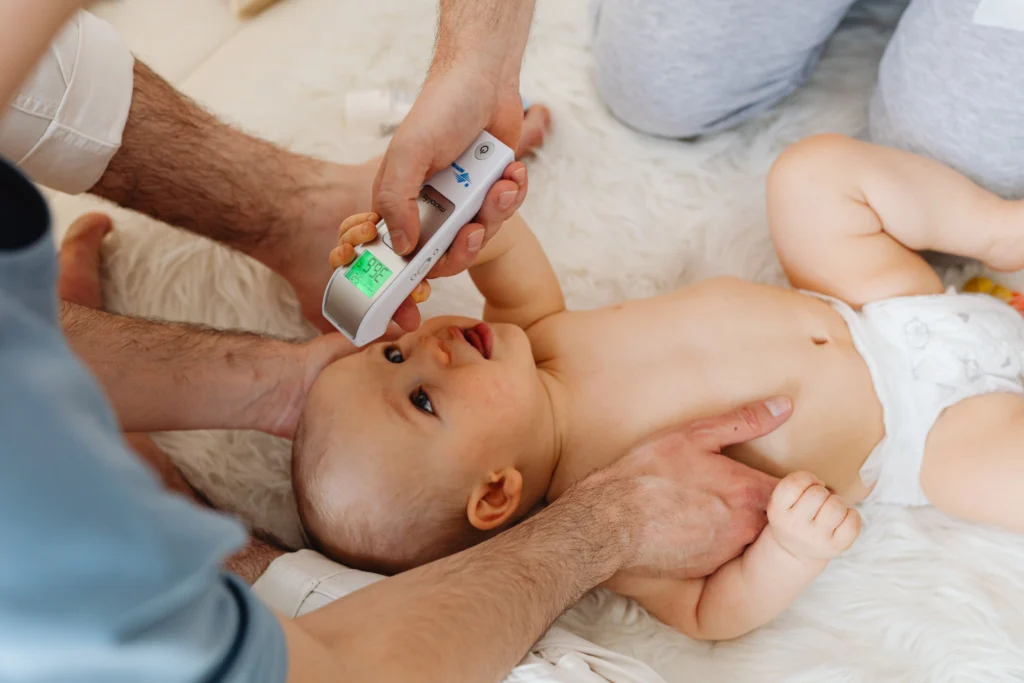
Infants
- Seems unusually irritable or uncomfortable
- Is very sleepy or difficult to wake
- Has diarrhea, a cold, or a cough
- Has a fever that lasts more than 3 days
Children
Low grade fever in children is usually not serious if the child
- Making eye contact
- Drinking fluids
- Playing normally
Please contact a medical professional if the low grade fever lasts for more than 3 weeks or if the child
- Is very irritable or uncomfortable
- Has poor eye contact
- Vomits repeatedly
- Has severe diarrhea
- Develops a fever after being left in a hot car
Adults
Usually low grade fever in adults is that much concern, unless it rises above 103°F (39.4°C). But you should contact medical professional if
- Your fever is higher than 103°F (39.4°C)
- Your fever lasts more than 3 days, even if it is lower than 103°F
And contact medical professional if you have
- A rash that spreads quickly
- Persistent vomiting or Pain while urinating
- seizures or a stiff neck
- A severe headache or difficulty breathing
- Muscle weakness
What is High Grade Fever Temperature
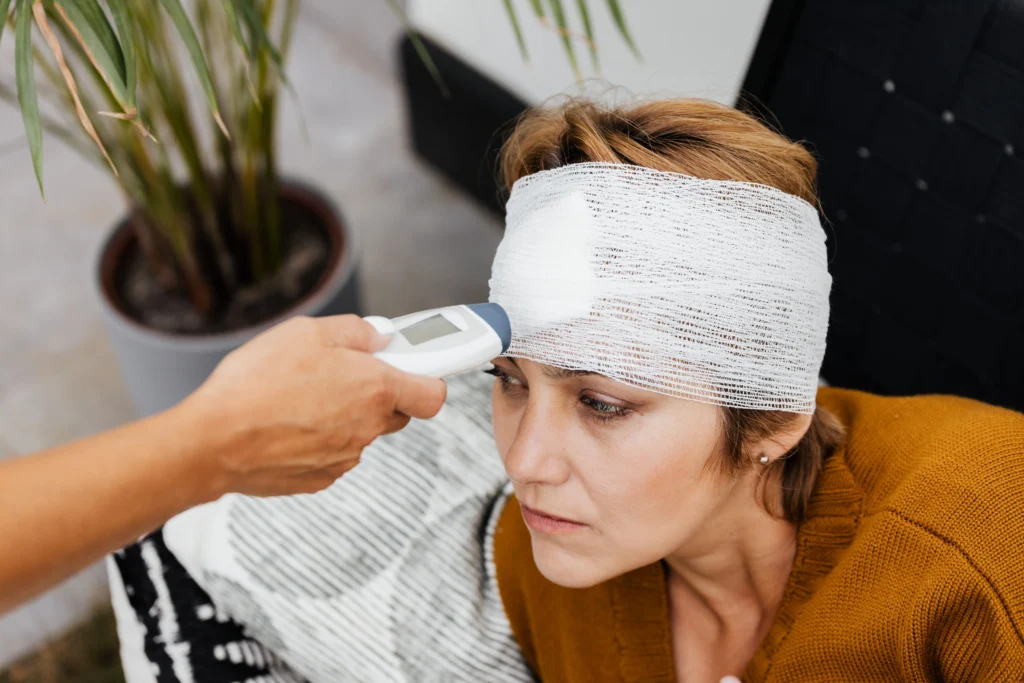
- Turn on the digital thermometer.
- Move the thermometer across your forehead.
- Wait for the thermometer to complete the reading.
- Read the temperature displayed on the screen.
Armpit Temperature
- Turn on the digital thermometer.
- Place the tip of the thermometer under your armpit, making sure it touches the skin.
- Keep your arm pressed firmly against your body until the thermometer beeps.
- Remove the thermometer and read the temperature displayed on the screen.
FAQs
What is the best way to check an infant’s body temperature?
Taking a rectal temperature using a digital thermometer is the most accurate way to check an infant’s body temperature.
What care is required to keep a digital thermometer safe?
When body temperature rises above the normal body temperature, it is considered a fever. Fever is not a disease; it is a sign that the body is fighting an infection. Many people consider 98.6°F (37°C) to be a normal body temperature. But, normal body temperature can vary from person to person, and it may change throughout the day.
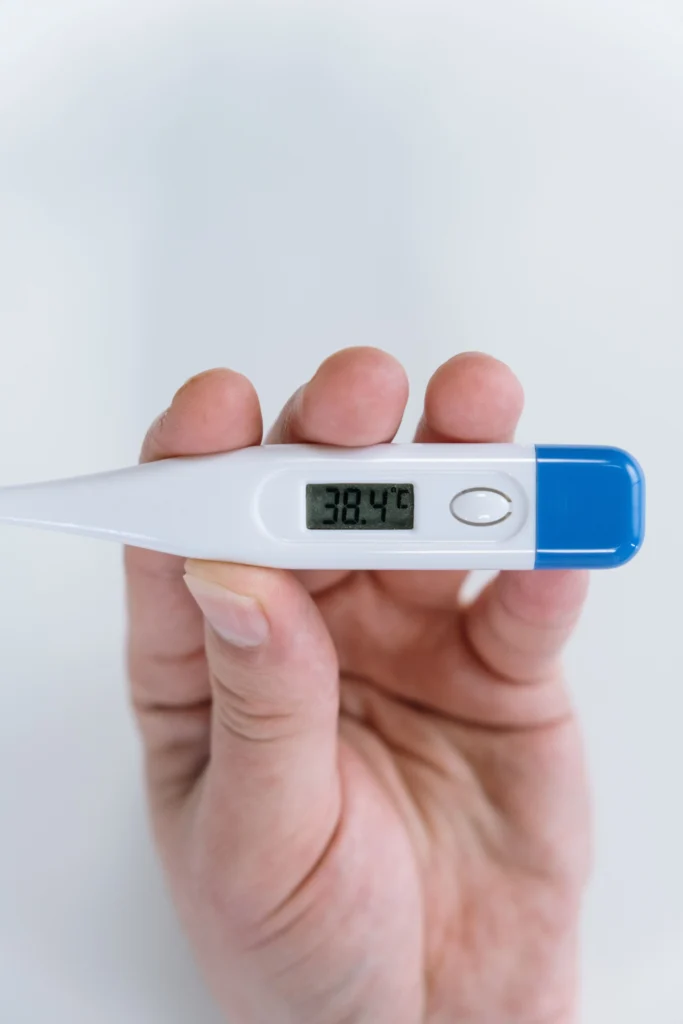
Low grade fever means that slight increase in body temperature, usually low grade fever temperature measures between 99°F and 100.4°F (37.2°C to 38°C). A high grade fever is considered when the body temperature rises to 103°F (39.4°C) or higher.
Disclaimer