
Gastric Inhibitory Peptide: Function, Physiology, and Medical Importance
Gastric Inhibitory Peptide (GIP) is an important hormone involved in digestion and blood sugar regulation. After food intake, the gastrointestinal tract releases GIP, which plays a key role in metabolic processes within the body. GIP is also known as glucose-dependent insulinotropic polypeptide.
This hormone belongs to a group of hormones called incretins, which are released from the gastrointestinal tract after eating. These hormones help regulate insulin secretion and maintain normal blood glucose levels.
GIP plays a crucial role in blood sugar control, metabolism, and metabolic conditions such as diabetes and obesity. Understanding how GIP works helps explain how the body regulates glucose after meals and how certain metabolic disorders develop.
What is Gastric Inhibitory Peptide?
According to the Society for Endocrinology, Gastric Inhibitory Peptide is a hormone composed of 42 amino acids that is produced in the small intestine.
GIP is released by specialized cells known as K cells, which are located mainly in the duodenum and jejunum, two important parts of the small intestine.
After a meal containing glucose, fats, or proteins, these K cells release GIP into the bloodstream. Once released, GIP travels to different organs in the body. Its primary action occurs in the pancreas, where it stimulates the release of insulin.
Through this mechanism, GIP helps regulate blood glucose levels after meals.
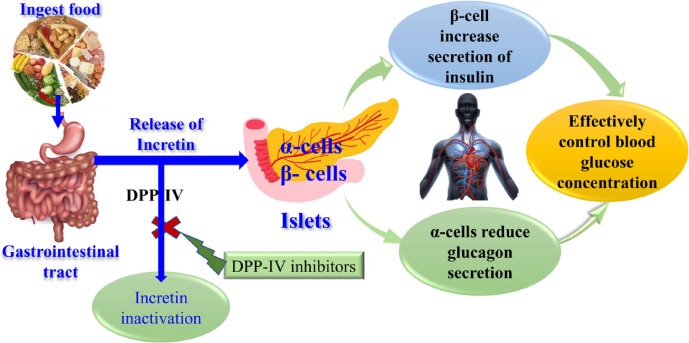
How Gastric Inhibitory Peptide works in the body?
According to the Endocrine Society, when food reaches the small intestine, K cells release GIP into the bloodstream.
The hormone then travels through the blood to the pancreas, where it signals the beta cells to release insulin. Insulin is a hormone that helps move glucose from the bloodstream into body cells, where it can be used to produce energy.
An important feature of GIP is that it increases insulin secretion only when blood glucose levels are elevated. This glucose-dependent action helps prevent excessive insulin release and reduces the risk of blood sugar levels dropping too low.
Through this process, GIP helps regulate insulin secretion after meals and plays an important role in maintaining healthy blood glucose levels.
Physiological Functions of Gastric Inhibitory Peptide
Stimulates Insulin Release
One of the primary functions of GIP is to stimulate insulin secretion from pancreatic beta cells. After food intake, the release of GIP helps increase insulin levels in the body.
This mechanism plays a crucial role in maintaining normal blood sugar levels after meals.
Regulates Blood Sugar Levels
GIP increases insulin secretion in a glucose-dependent manner. This means that insulin release mainly occurs when blood glucose levels are elevated.
By improving the body’s response to glucose, GIP supports normal glucose metabolism and balanced blood sugar levels.
Influences Fat Metabolism
GIP also plays a role in fat metabolism. Research suggests that the hormone can influence how the body stores nutrients after meals.
GIP may promote fat storage in adipose tissue and help the body store excess energy for later use. Scientists continue to study how GIP affects body weight and metabolic balance.
Role in Glucagon Secretion
According to the NIH, Under certain conditions, GIP can also influence the release of another hormone called glucagon.
Glucagon is produced by alpha cells of the pancreas and helps increase blood glucose levels when they become too low. This process supports the body in maintaining stable glucose levels.
Gastric Inhibitory Peptide and the Incretin Effect
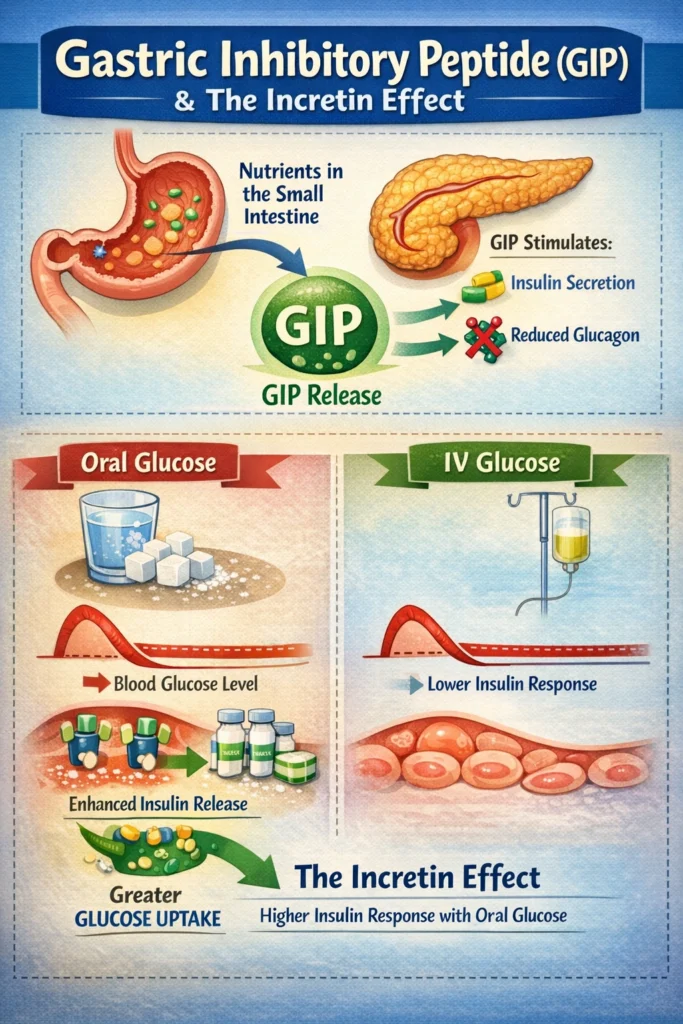
According to the National Institutes of Health (NIH), the incretin effect refers to a natural process in which glucose taken by mouth produces a stronger insulin response than glucose delivered directly into the bloodstream.
This effect occurs mainly because intestinal hormones such as GIP and GLP-1 stimulate insulin secretion after food intake.
These incretin hormones play an important role in maintaining healthy blood sugar levels and normal metabolic balance.
Clinical Significance of Gastric Inhibitory Peptide
Type 2 Diabetes
In people with type 2 diabetes, pancreatic beta cells often respond less effectively to GIP.
Because of this reduced response, insulin secretion may not increase properly after meals. This can make it more difficult for the body to regulate blood glucose levels, which may contribute to elevated blood sugar levels.
Obesity and Metabolic Disorders
Research published in the Journal of Biological Chemistry suggests that GIP may influence fat metabolism and energy balance.
The hormone can affect how nutrients are stored in the body, particularly in adipose (fat) tissue. Because of this role, scientists are studying GIP to better understand its connection with obesity and metabolic disorders.
FAQs
1. What is Gastric Inhibitory Peptide?
Gastric Inhibitory Peptide (GIP) is a hormone produced in the small intestine after eating. It helps stimulate insulin release from the pancreas and plays an important role in regulating blood glucose levels.
2. Where is Gastric Inhibitory Peptide produced?
GIP is produced by K cells located in the duodenum and jejunum, which are parts of the small intestine. These cells release the hormone into the bloodstream after food intake.
3. What is the main function of GIP?
The primary function of GIP is to stimulate insulin secretion from pancreatic beta cells, helping maintain normal blood sugar levels after meals.
Conclusion
Gastric Inhibitory Peptide is an important gastrointestinal hormone produced in the small intestine that helps regulate blood glucose levels and overall metabolism.
After food intake, GIP is released into the bloodstream and signals the pancreas to release insulin. This process helps the body use glucose efficiently and maintain normal blood sugar levels.
Earlier studies suggested that this hormone mainly reduced stomach acid production. However, current research shows that its primary role is related to glucose metabolism and endocrine regulation.
Understanding how GIP functions is important for studying metabolic conditions such as type 2 diabetes, obesity, and other metabolic disorders.
Ongoing research on GIP and other incretin hormones may lead to improved treatments that support healthy blood sugar control and metabolic health.
Disclaimer
The information presented in this article is intended for educational and informational purposes only. It should not be considered medical advice, diagnosis, or treatment.
The content related to Gastric Inhibitory Peptide (GIP) is based on publicly available scientific sources. Although efforts are made to provide accurate and up-to-date information, medical knowledge and research may change over time.
Readers are encouraged to consult a qualified healthcare professional for medical concerns or treatment decisions. This article should not be used as a substitute for professional medical consultation.