
Heart Disease: How to Prevent, Causes and Symptoms
Heart disease is one of the most common health problems worldwide. Understanding heart disease, its causes, symptoms, and how to prevent heart disease is very important for maintaining long-term health.
Heart disease, also known as cardiovascular disease (CVD), refers to conditions that affect the heart and blood vessels. These conditions include coronary artery disease, heart failure, irregular heart rhythms, and congenital heart defects.
According to global health organizations, cardiovascular diseases are among the leading causes of death worldwide. However, many heart problems can be prevented by understanding risk factors and following healthy lifestyle habits.
In this article, you will learn about heart disease causes, symptoms, risk factors, treatment options, and heart disease how to prevent through medically supported information.
This article is written for educational and awareness purposes and includes information based on trusted medical sources.

Types of Heart Disease
Coronary Artery Disease (CAD)
Coronary artery disease occurs when the coronary arteries become narrowed due to the buildup of fatty deposits called plaque. This condition reduces blood flow to the heart muscle and may cause chest pain (angina) or even a heart attack in severe cases.
Heart Failure
Heart failure happens when the heart is unable to pump enough blood to meet the body’s needs. It can develop after heart attacks, long-term high blood pressure, or damage to the heart muscle.
Arrhythmias
Arrhythmias are conditions in which the heart beats too fast, too slow, or irregularly. Some people may experience symptoms such as palpitations, dizziness, or fatigue, while others may not notice any symptoms.
Valvular and Congenital Heart Diseases
These conditions involve problems with heart valves or structural abnormalities present at birth. Depending on their severity, they may affect how blood flows through the heart.

Causes of Heart Disease
According to the NIH, The causes of heart disease vary depending on the condition, but several common factors contribute to cardiovascular problems.
Atherosclerosis (Plaque Buildup)
Atherosclerosis is one of the most common causes of heart disease. In this condition, fatty deposits gradually build up inside the arteries, narrowing the blood vessels and reducing blood flow to the heart.
High Blood Pressure (Hypertension)
Long-term high blood pressure puts extra strain on the heart and blood vessels. Over time, this can damage arteries and increase the risk of heart disease.
Diabetes and Metabolic Conditions
High blood sugar levels associated with diabetes can damage blood vessels and increase the risk of plaque buildup in arteries.
Infections and Immune-Related Conditions
Certain infections and immune conditions may affect the heart. For example, rheumatic fever can damage heart valves, while some viral infections can cause inflammation of the heart muscle.
Genetic and Congenital Factors
Family history, inherited heart muscle disorders, or genetic rhythm conditions may increase a person’s risk of developing heart disease.
Symptoms of Heart Disease
According to the Mayo Clinic, The symptoms of heart disease can vary depending on the type of condition. Recognizing early warning signs can help people seek medical care sooner.
Chest Pain or Pressure
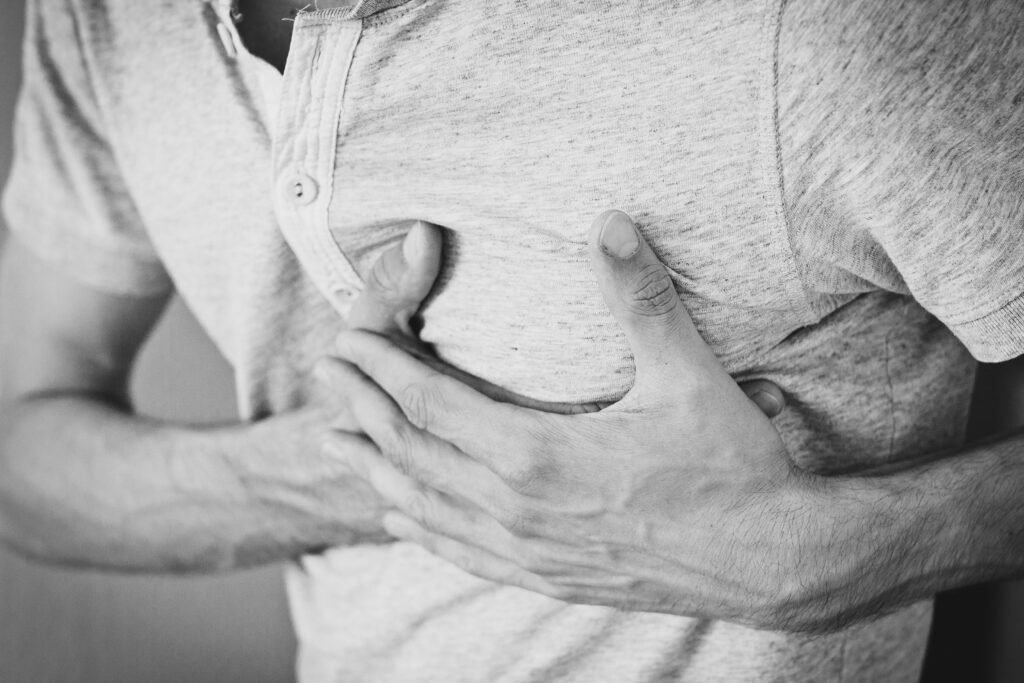
Chest discomfort is one of the most common symptoms. It may feel like pressure, tightness, or heaviness in the chest, and sometimes the pain may spread to the arms, neck, jaw, or shoulders.
Shortness of Breath
Feeling breathless during normal activities may indicate reduced blood flow to the heart or heart failure.
Palpitations and Dizziness
Irregular heartbeats or palpitations may cause a fluttering sensation in the chest. Some individuals may also experience dizziness or lightheadedness.
Fatigue and Swelling
Extreme tiredness, swelling in the legs, ankles, or feet, and persistent coughing may be signs of long-term heart conditions.
Risk Factors for Heart Disease
According to the NIH, Some risk factors cannot be changed, while others can be controlled through lifestyle improvements.
Risk Factors That Cannot Be Changed
Age: Risk increases as people grow older.
Sex: Men often develop heart disease earlier, while women’s risk increases after menopause.
Family History: Having close relatives with heart disease may increase personal risk.
Risk Factors That Can Be Controlled
Smoking: Damages blood vessels and increases the risk of heart disease.
High Blood Pressure: Uncontrolled hypertension can damage arteries.
High Cholesterol: Leads to plaque buildup in arteries.
Type 2 Diabetes: Increases the risk of cardiovascular disease.
Obesity and Lack of Physical Activity: Excess weight and sedentary lifestyle contribute to heart problems.
Unhealthy Diet and Stress: Poor nutrition and long-term stress can negatively affect heart health.

Heart Disease How to Prevent
According to the CDC, Many heart problems can be prevented by adopting healthy habits. Understanding heart disease how to prevent is essential for protecting long-term cardiovascular health.
Quit Smoking
Smoking damages blood vessels and increases the risk of plaque buildup. Quitting smoking significantly reduces the risk of heart disease.
Eat a Heart-Healthy Diet
A balanced diet rich in vegetables, fruits, whole grains, nuts, and lean proteins can help maintain healthy cholesterol and blood pressure levels.
Maintain a Healthy Weight
Keeping a healthy body weight helps reduce the risk of diabetes, high blood pressure, and heart disease.
Stay Physically Active
Regular physical activity such as walking, cycling, or light exercise helps strengthen the heart and improve blood circulation.
Manage Blood Pressure and Cholesterol
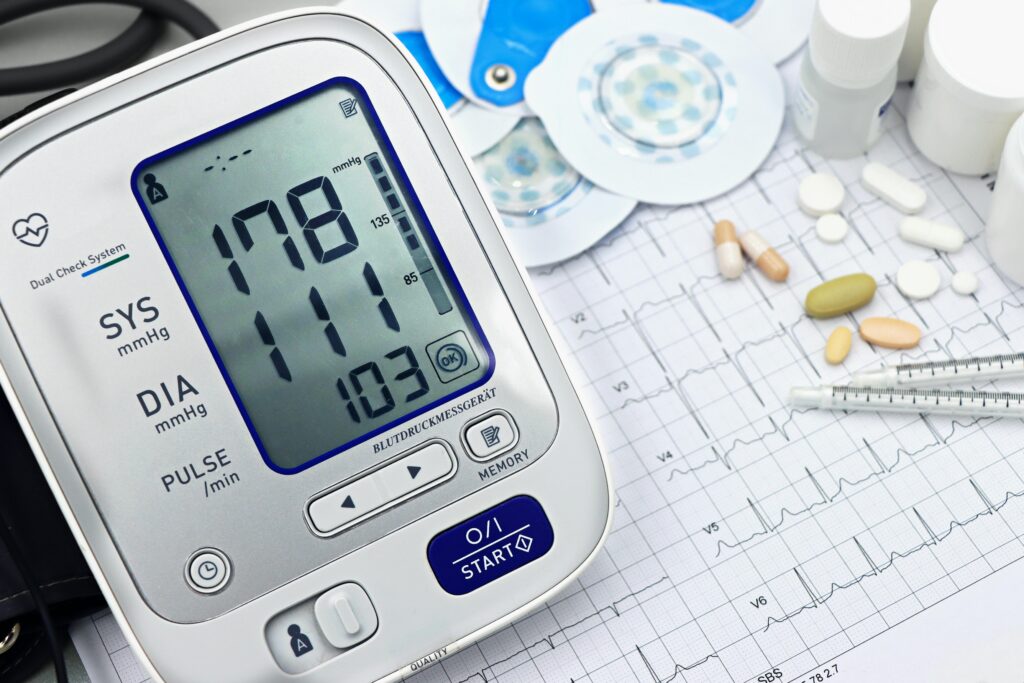
Regular medical checkups help monitor blood pressure, cholesterol levels, and blood sugar.
Reduce Stress
Long-term stress may affect heart health. Relaxation techniques such as meditation, deep breathing, or spending time in nature may help manage stress levels.

Diagnosis of Heart Disease
Doctors use several tests to diagnose heart conditions.
Medical History and Physical Examination
Doctors review symptoms, lifestyle factors, and family history.
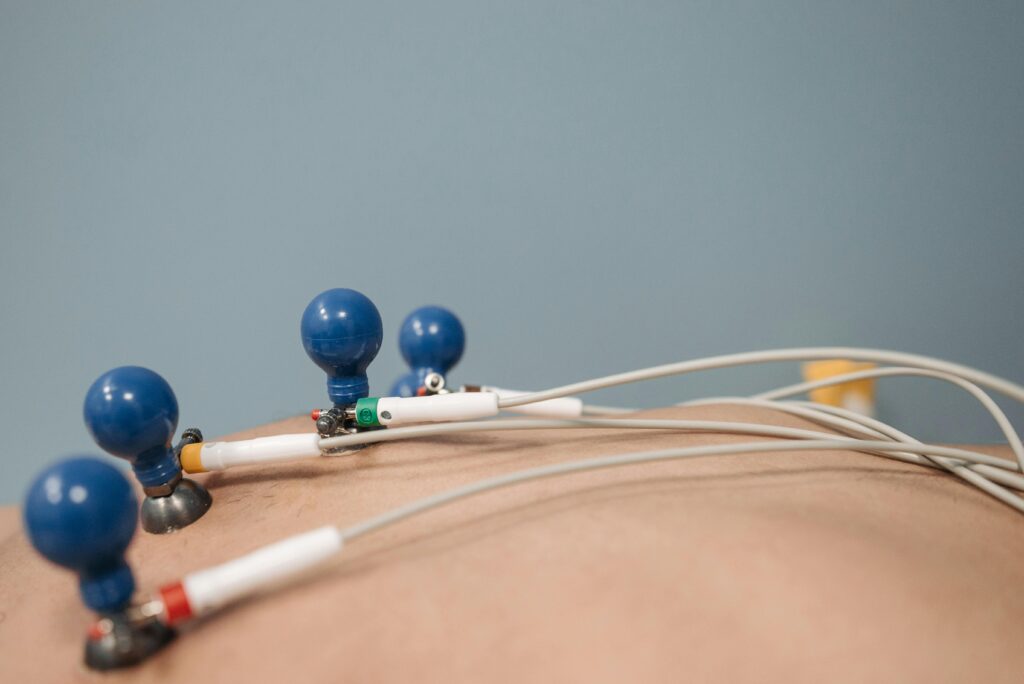
Electrocardiogram (ECG)
This test records the electrical activity of the heart and helps detect irregular heart rhythms.
Blood Tests
Blood tests such as troponin tests and cholesterol tests help identify heart damage or risk factors.
Imaging Tests
Imaging tests such as echocardiograms, CT scans, MRI scans, and coronary angiography help evaluate heart structure and blood flow.
Treatment Options for Heart Disease
According to the Mayo Clinic, Treatment depends on the type and severity of the condition.
Lifestyle Changes
Healthy lifestyle habits are often the first step in managing heart disease.
-
Healthy eating
-
Regular physical activity
-
Weight management
-
Quitting smoking
-
Stress management
Medications
Doctors may prescribe medications such as:
-
Statins to reduce cholesterol
-
Blood pressure medications to control hypertension
-
Antiplatelet medicines to reduce clot formation
Medical Procedures and Surgery
In some cases, medical procedures may be necessary.
Angioplasty: Opens blocked arteries using a small balloon.
Stent Placement: Keeps arteries open for better blood flow.
Bypass Surgery: Creates a new pathway for blood flow around blocked arteries.
FAQs
What are the early signs of heart disease?
Early signs may include chest pain, shortness of breath, fatigue, dizziness, and irregular heartbeats.
Can heart disease be prevented naturally?
Yes. Healthy lifestyle habits such as balanced diet, regular exercise, quitting smoking, and controlling blood pressure can reduce risk.
Who is at higher risk for heart disease?
People with high blood pressure, diabetes, obesity, smoking habits, or family history may have higher risk.
Conclusion
Heart disease remains one of the leading causes of death worldwide. However, many heart conditions can be prevented or managed through early detection and healthy lifestyle habits.
Understanding heart disease how to prevent plays an important role in protecting long-term heart health. Quitting smoking, maintaining a balanced diet, staying physically active, and controlling blood pressure and diabetes can significantly reduce the risk of cardiovascular disease.
Regular medical checkups and awareness of early symptoms can also help detect heart problems at an early stage.
Disclaimer
This information is based on reliable medical sources and is provided for general awareness and educational purposes only. It should not replace professional medical advice. If you experience symptoms related to heart disease, please consult a qualified healthcare professional.
4 thoughts on “Heart Disease: How to Prevent, Causes and Symptoms”