
Obesity for Women: Causes, Health Risks, and Prevention
Obesity for women is a long-term health condition in which excess body fat accumulates and increases the risk of various health problems. It develops when the body stores more fat than it needs over a long period of time.
Although obesity can affect anyone, women may experience unique risk factors due to hormonal changes, pregnancy, menopause, and certain medical conditions.
According to the World Health Organization (WHO), obesity is a serious public health concern that requires proper prevention and management. Excess body fat can increase the risk of chronic illnesses, long-term health complications, and reduced quality of life.
Understanding obesity for women is important because early awareness and lifestyle changes can significantly improve long-term health.
How to Identify Obesity for Women
Obesity is commonly identified using the Body Mass Index (BMI). BMI is a simple screening tool that compares a person’s weight with their height.
BMI Categories for Adults
Normal weight: 18.5 – 24.9
Overweight: 25 – 29.9
Obesity: 30 or higher
BMI helps doctors estimate whether a person’s weight falls within a healthy range.
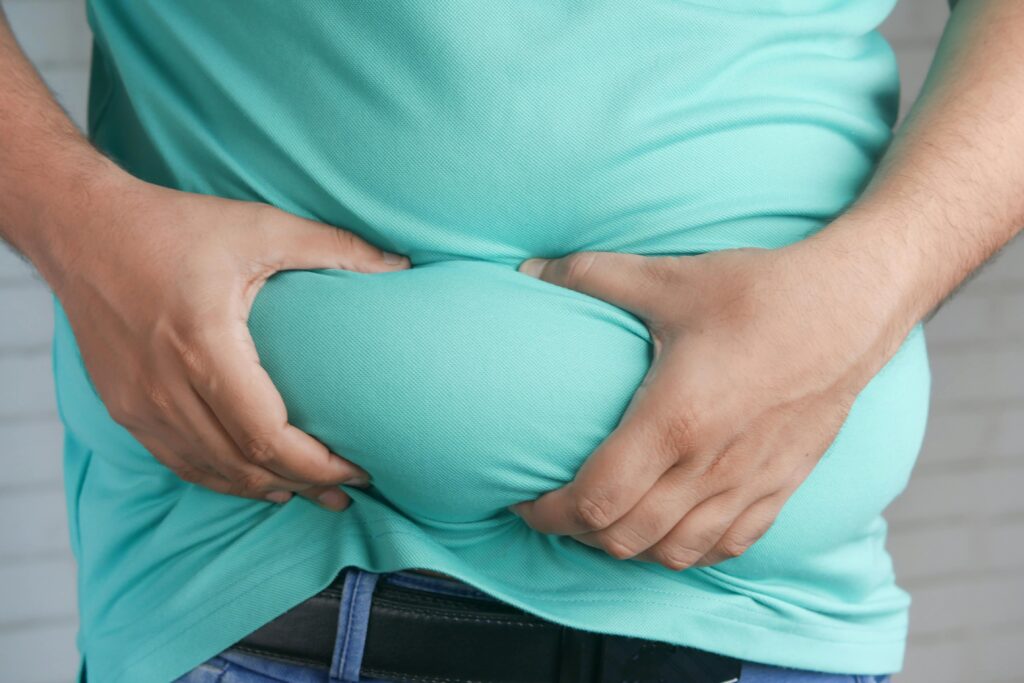
Limitations of BMI
According to the NIH, Although BMI is widely used, it has some limitations.
• BMI cannot distinguish between body fat and muscle mass. People with high muscle mass may be classified incorrectly.
• BMI does not show where fat is stored in the body. Abdominal fat carries higher health risks.
• In older adults, BMI may underestimate health risks because of natural muscle loss.
• Some ethnic groups may develop metabolic diseases at lower BMI levels.
Because of these limitations, healthcare professionals often combine BMI with other measurements.
Other Ways Obesity is Measured
To better evaluate health risks related to obesity for women, doctors may use additional measurements along with BMI.
Waist Circumference
This measurement helps identify excess fat around the abdomen. Abdominal fat is strongly linked to higher health risks.
Waist-to-Hip Ratio
This measurement helps understand how body fat is distributed throughout the body.
Body Fat Percentage
Specialized medical tools may be used to estimate the percentage of body fat.
Excess abdominal fat is associated with conditions such as type 2 diabetes and heart disease.

Causes of Obesity for Women
According to the Endocrine Society, Obesity develops when the body consumes more calories than it burns over time. However, the causes of obesity for women are often influenced by multiple biological, lifestyle, and environmental factors.
Excess Calorie Intake
Regular consumption of high-calorie foods, especially those rich in sugar, unhealthy fats, and refined carbohydrates, can lead to gradual weight gain. Large portion sizes and frequent snacking can also increase calorie intake.
Genetic Factors
Genetics plays an important role in how the body regulates appetite, stores fat, and uses energy. Although genes alone do not cause obesity, they may increase the risk when combined with unhealthy eating habits and low physical activity.
Hormonal and Medical Conditions
Certain medical conditions can contribute to weight gain by affecting metabolism and hormone balance. These include:
• Hypothyroidism
• Insulin resistance
• Polycystic ovary syndrome (PCOS)
Proper management of these conditions can help reduce the risk of obesity for women.
Medications
Some prescription medications may cause weight gain as a side effect. These may include:
• Corticosteroids
• Certain antidepressants
• Antipsychotic medications
If someone experiences weight gain after starting medication, they should consult a healthcare professional.
Lifestyle and Environmental Factors
Modern lifestyles can also increase the risk of obesity. These factors include:
• Low physical activity
• Long sitting hours
• Poor sleep quality
• High stress levels
• Limited access to healthy foods

Health Risks Associated with Obesity for Women
According to the NIH, Obesity can increase the risk of several serious health conditions, especially when excess fat accumulates around the abdomen.
Cardiovascular Diseases
Obesity increases the risk of high blood pressure, heart disease, heart attack, and stroke by placing additional strain on the heart and blood vessels.
Type 2 Diabetes
Excess body fat can interfere with the body’s ability to use insulin effectively. This can lead to high blood sugar levels and increase the risk of type 2 diabetes.
Joint and Mobility Problems
Carrying excess body weight places additional pressure on joints, especially the knees and hips. This can lead to osteoarthritis, joint pain, and reduced mobility.
Respiratory Disorders
Obesity is one of the major causes of obstructive sleep apnea, a condition in which breathing repeatedly stops and starts during sleep. Excess fat around the neck can block the airway and make breathing difficult.
Increased Cancer Risk
Obesity may increase the risk of several cancers, including:
• Breast cancer
• Colorectal cancer
• Endometrial cancer
Excess body fat can influence hormone levels and cause chronic inflammation, which may increase cancer risk over time.
Psychological Effects of Obesity for Women
According to NIH, Obesity can also affect emotional and mental health.
Some women may experience:
• Depression
• Anxiety
• Low self-confidence
• Social stigma or discrimination
Emotional health support and counseling may be helpful for managing these challenges.
How Obesity is Diagnosed
Healthcare professionals diagnose obesity using several medical assessments.
These may include:
Body Mass Index (BMI) – A measurement based on height and weight
Waist Measurement – To check for excess abdominal fat
Medical History Review – To understand lifestyle and risk factors
Physical Examination – To assess overall health

Evidence-Based Treatment Options for Obesity for Women
According to the NIH, Obesity can be managed with proper medical care and lifestyle changes. Doctors usually recommend a combination of treatments.
Lifestyle Management
Healthy lifestyle changes are the first and most important step.
These include:
• Eating a balanced and portion-controlled diet
• Regular physical activity
• Reducing sugary and high-fat foods
Even a small weight loss of 5–10% of total body weight can improve blood pressure, blood sugar, and cholesterol levels.
Medications
Doctors may prescribe weight-loss medications when:
• Lifestyle changes alone are not effective
• A person has obesity-related health conditions
These medications should always be taken under medical supervision.
Bariatric Surgery
Bariatric surgery may be recommended for people with severe obesity when other treatments have not worked.
Common types of bariatric surgery help by:
• Reducing stomach size
• Limiting food intake
• Changing how the body absorbs nutrients
Surgery can lead to significant long-term weight loss and improvement in conditions such as diabetes and high blood pressure. However, lifelong medical follow-up and healthy lifestyle habits are necessary.
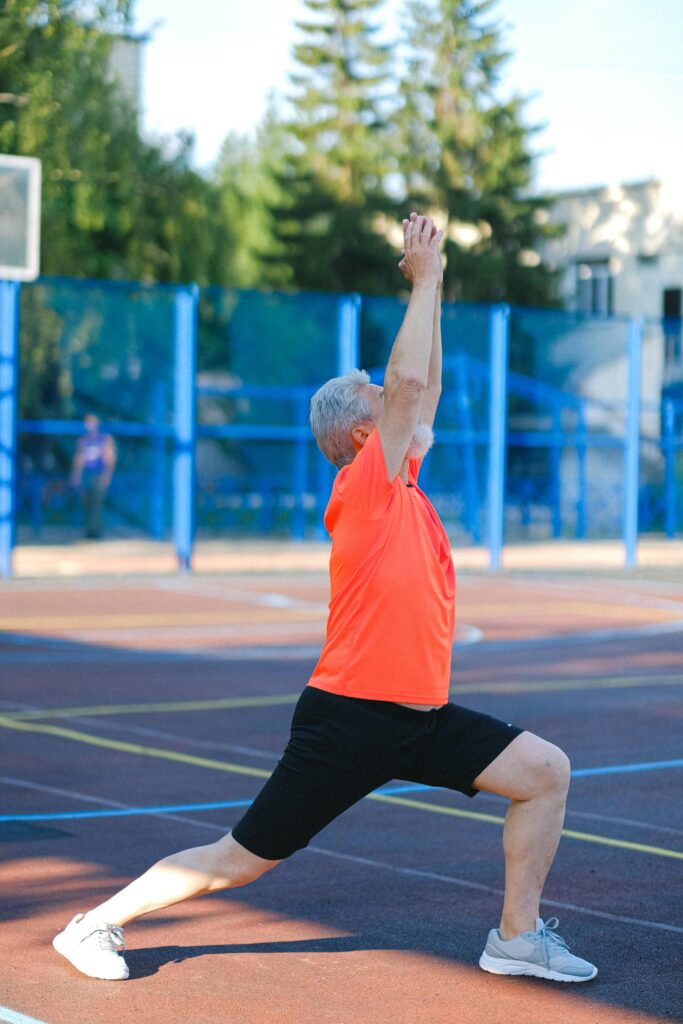
Prevention of Obesity for Women
Obesity can often be prevented by adopting healthy daily habits.
Prevention strategies include:
• Eating more fruits, vegetables, and whole grains
• Engaging in regular physical activity
• Getting enough sleep
• Managing stress levels
• Reducing screen time
Developing healthy habits early in life can greatly reduce the risk of obesity.
FAQs
1. What is obesity in simple words?
Obesity is a medical condition in which excess body fat accumulates and increases the risk of health problems.
2. What BMI is considered obese?
A BMI of 30 or higher is considered obesity in adults.
3. Can obesity be prevented?
Yes, obesity can often be prevented by maintaining a healthy diet, regular exercise, good sleep, and stress management.
4. Is obesity a disease?
Yes. The World Health Organization considers obesity a chronic disease and a major public health concern.
Conclusion
Obesity for women is an important health concern that can increase the risk of many chronic diseases. However, with proper awareness, early diagnosis, and healthy lifestyle changes, obesity can be effectively managed and prevented.
Small but consistent improvements in diet, physical activity, and daily habits can lead to long-term health benefits and improved quality of life.
Disclaimer
This article is for educational and general awareness purposes only. It is not intended to provide medical advice, diagnosis, or treatment. Always consult a qualified healthcare professional for medical guidance.
6 thoughts on “Obesity for Women: Causes, Health Risks, and Prevention”