
Best Supplements for Fatty Liver Disease (NAFLD): Evidence-Based Options
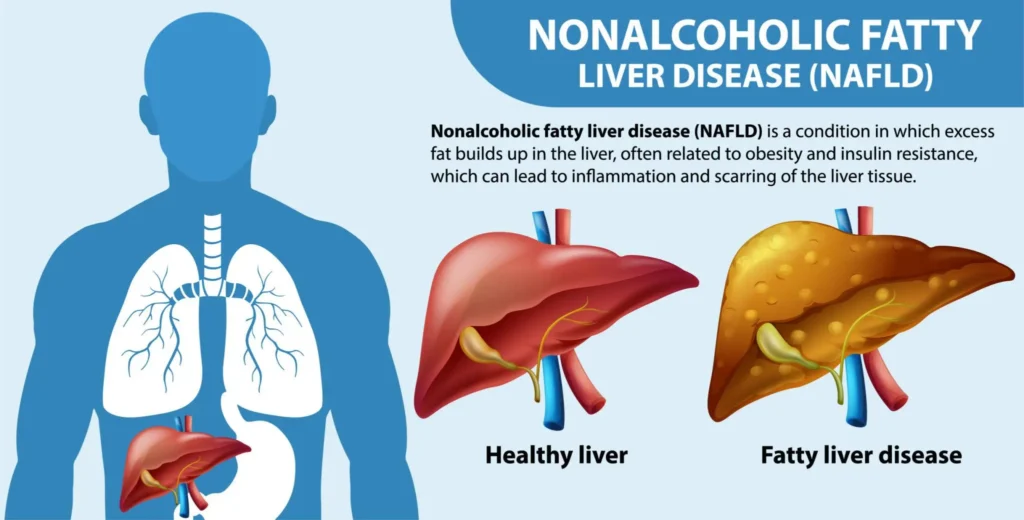
Fatty liver disease is a common health condition in which excess fat builds up inside liver cells. The most common form is known as Non-Alcoholic Fatty Liver Disease (NAFLD). Recently, experts have also introduced a new medical term called Metabolic Dysfunction-Associated Steatotic Liver Disease (MASLD).
Nowadays, lifestyle habits have changed significantly in many parts of the world. Increased consumption of processed foods, junk foods, sedentary lifestyles, and excessive screen time have contributed to a growing number of fatty liver cases. At the same time, obesity and type 2 diabetes are also increasing globally, which further raises the risk of developing fatty liver disease.
In the early stages, fatty liver disease usually does not cause noticeable symptoms. However, if the condition progresses, it may lead to liver inflammation, fibrosis, and in severe cases, cirrhosis or liver failure. Because of this, early prevention and proper management are very important for maintaining long-term liver health.
Role of Lifestyle Changes in Fatty Liver Disease
Lifestyle changes remain the most effective treatment for fatty liver disease. Losing excess body weight, eating a balanced diet, exercising regularly, and controlling blood sugar levels can significantly improve liver health and metabolic function.
According to research from organizations such as the American Liver Foundation and the National Institute of Diabetes and Digestive and Kidney Diseases (NIDDK), these lifestyle modifications may even help reverse early-stage fatty liver disease in many individuals.
Along with lifestyle management, certain dietary supplements may also support liver health and metabolic balance. Scientific research suggests that some nutrients and plant-based compounds may help reduce liver fat, improve insulin sensitivity, and protect liver cells from oxidative stress.
In this article, we discuss the best supplements for fatty liver disease that have been studied in clinical research, how they may work, their potential benefits, and important safety considerations.
Milk Thistle and Liver Health
According to the National Institutes of Health (NIH), One of the Best Supplements for Fatty Liver Disease is milk thistle. Milk thistle is a herbal supplement traditionally used to support liver health. The main active compound in milk thistle is silymarin, which has antioxidant and anti-inflammatory properties.
Oxidative stress occurs when harmful molecules called free radicals accumulate in the body and damage cells, including liver cells. Silymarin may help protect liver cells from damage caused by oxidative stress.
Another potential benefit of milk thistle is its ability to support the natural repair process of liver cells. Some studies suggest that it may help stabilize liver cell membranes and support regeneration of damaged liver tissue. Because of these effects, milk thistle is often studied as a supportive supplement for liver health.
Omega-3 Fatty Acids
According to the Mayo Clinic, omega-3 fatty acids are commonly found in fatty fish such as salmon, sardines, and mackerel, as well as in fish oil supplements. These fatty acids are widely known for their benefits for heart health, metabolism, and overall liver function.
Several studies suggest that omega-3 fatty acids may help reduce fat accumulation in the liver, which is a key factor in non-alcoholic fatty liver disease. Omega-3 fatty acids may also improve blood lipid levels and liver enzyme markers.
Some research trials suggest that taking around 2 grams of omega-3 fatty acids per day may help improve fatty liver indicators and reduce visceral fat, which is fat stored around internal organs.
Omega-3 fatty acids may also help regulate inflammation in the body and improve triglyceride levels in the blood. Since fatty liver disease is often linked with metabolic conditions such as obesity and insulin resistance, these effects may support overall metabolic health.
Vitamin E
According to the National Institutes of Health (NIH), Vitamin E is a fat-soluble vitamin that acts as a powerful antioxidant. It helps protect body cells from damage caused by harmful molecules known as free radicals.
In fatty liver disease, oxidative stress may contribute to inflammation and liver damage. Because of its antioxidant properties, vitamin E may help reduce oxidative stress in liver cells and support overall liver function.
However, it is important to note that vitamin E supplements should not replace healthy lifestyle habits such as proper diet and exercise. In addition, high doses of vitamin E supplements may not be suitable for everyone.
For this reason, vitamin E supplements should be taken only under the guidance of a qualified healthcare professional.
Probiotics and Gut Microbiome Support
According to the National Institute of Health (NIH), Research shows that gut health plays an important role in liver function. Scientists often describe this relationship as the gut-liver axis, which refers to the connection between gut bacteria and liver health.
Changes or imbalances in gut bacteria may contribute to inflammation and increased fat buildup in the liver.
Probiotics are beneficial bacteria that help maintain a healthy balance of microorganisms in the digestive system. By improving gut health, probiotics may support digestive function and may also help improve certain metabolic markers associated with non-alcoholic fatty liver disease.
Probiotics may also help strengthen the intestinal barrier and reduce inflammatory signals that can affect liver health.
Curcumin (Turmeric Extract)
According to the National Institutes of Health (NIH), curcumin is the active compound found in turmeric. Turmeric has long been used in traditional medicine and cooking, and curcumin is known for its antioxidant and anti-inflammatory properties.
Some scientific studies suggest that curcumin supplements may help improve certain markers related to fatty liver disease. For example, curcumin may help reduce elevated liver enzyme levels and support healthier liver function in some individuals.
Curcumin may also help improve insulin sensitivity and reduce the buildup of fat in liver cells. Researchers believe these effects may occur because curcumin can influence several biological processes, including reducing oxidative stress, lowering inflammation, and supporting healthy fat metabolism.
Who Should Avoid Supplements for Fatty Liver Disease?
Although some supplements may support liver health, they may not be suitable for everyone. It is important to consult a healthcare professional before taking supplements, especially for individuals who:
• Are pregnant or breastfeeding
• Are taking prescription medications
• Have advanced liver disease
• Have other chronic medical conditions
Medical guidance helps ensure supplements are used safely and appropriately.
FAQs
What are the best supplements for fatty liver disease?
Commonly studied supplements for fatty liver disease include milk thistle, omega-3 fatty acids, vitamin E, probiotics, and curcumin. These supplements may help support liver health by reducing inflammation, protecting liver cells, and improving metabolic balance.
What lifestyle changes may help improve fatty liver disease?
Important lifestyle changes include:
• Maintaining a healthy body weight
• Engaging in regular physical activity
• Eating a balanced and nutritious diet
• Limiting alcohol consumption
• Avoiding smoking
How long does it take to improve fatty liver disease?
Improvement varies from person to person. With consistent lifestyle changes and proper medical guidance, some individuals may begin to see improvements in liver health within a few months.

Conclusion
Understanding the best supplements for fatty liver disease may help support liver health along with proper lifestyle changes. Fatty liver disease is becoming increasingly common worldwide due to lifestyle factors such as sedentary behavior, unhealthy dietary patterns, and rising obesity rates. However, with proper lifestyle changes, it is possible to support liver health and reduce the risk of disease progression.
Maintaining a healthy body weight, exercising regularly, eating a balanced diet, and avoiding harmful habits such as excessive alcohol consumption are key steps for protecting liver health.
Research suggests that certain supplements such as milk thistle, omega-3 fatty acids, vitamin E, probiotics, and curcumin may help support normal liver function and improve some metabolic markers. However, supplements should not replace proper medical care or healthy lifestyle habits.
Disclaimer
The information provided in this article about Best Supplements for Fatty Liver Disease is for educational and informational purposes only. It is not intended to replace professional medical advice, diagnosis, or treatment. Always consult a qualified healthcare professional before starting any supplements or making significant lifestyle changes. External sources referenced in this article are provided for informational purposes only.
1 thought on “Best Supplements For Fatty Liver Disease Backed by Science”