
Dry Skin (Xerosis): Understanding Causes, Treatment & Prevention
If you experience skin tightness, rough skin, itchy skin and scaling, then you can confirm it as dry skin (xerosis). It may occur for many reasons, including cold or dry weather, too much sun exposure, frequent bathing, hot showers and using harsh soaps or skincare products that strip away your skin’s natural moisture.
But you can improve dry skin with a few important daily tips such as using a good moisturizer, choosing gentle, fragrance free skincare products, avoiding long, hot showers and protecting your skin from the sun, which can help keep your skin soft, healthy, and well hydrated.
In this article, everything about dry skin (xerosis) is explained, including causes, symptoms, complications, treatment options and prevention tips in an easy to understand way. If you go through this article, you can gain confidence to manage dry skin condition.
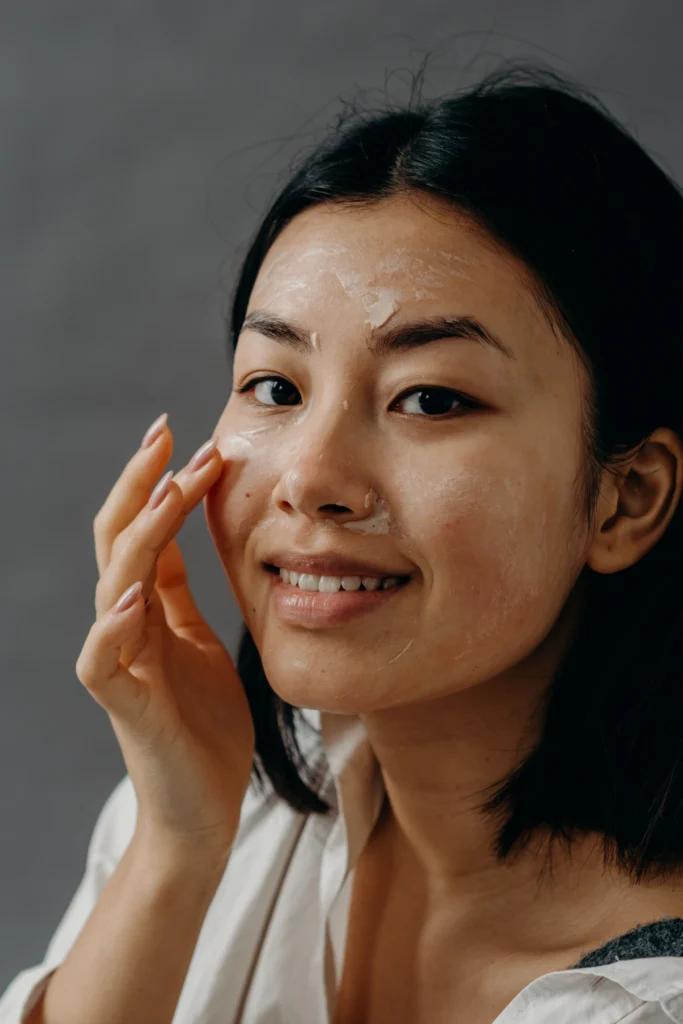
What is Dry Skin (Xerosis)
If you have low water content in your skin, it may feel rough, tight, or flaky and may look scaly. This means your skin does not have enough moisture to stay soft and smooth. Doctors call this condition xeroderma and if the skin is severely dry, they may call it xerosis.
In dry skin, some people may also experience itching. In severe cases, the skin can crack, become painful, and even bleed. If you have psoriasis, dry skin (xerosis) can trigger or worsen your psoriasis symptoms.
Types of Dry Skin
Types of Dry Skin |
|
Contact Dermatitis |
Dry, itchy skin caused by contact with an irritant or allergen. |
Eczema (Atopic dermatitis) |
A skin condition that causes dry, red, itchy, and inflamed patches. |
Seborrheic dermatitis |
A condition that causes dry, flaky skin, mainly on the scalp, face, and oily areas of the body. |
Athlete’s foot |
A fungal infection that causes dry, flaky, itchy skin, usually on the feet. |
Causes of Dry Skin (xerosis)
These are the four main reasons that cause dry skin:
- Getting Older: As you get older, your skin produces less natural oil. This makes it thinner, drier and less able to retain moisture.
- Weather and Environment: Cold weather, dry air, strong winds, or low humidity can strip moisture from your skin. Dry skin is often worse during winter.
- Medical Conditions and Family History: Some people inherit a tendency to have dry skin. Conditions such as eczema, diabetes, allergies, and kidney disease can also make skin drier.
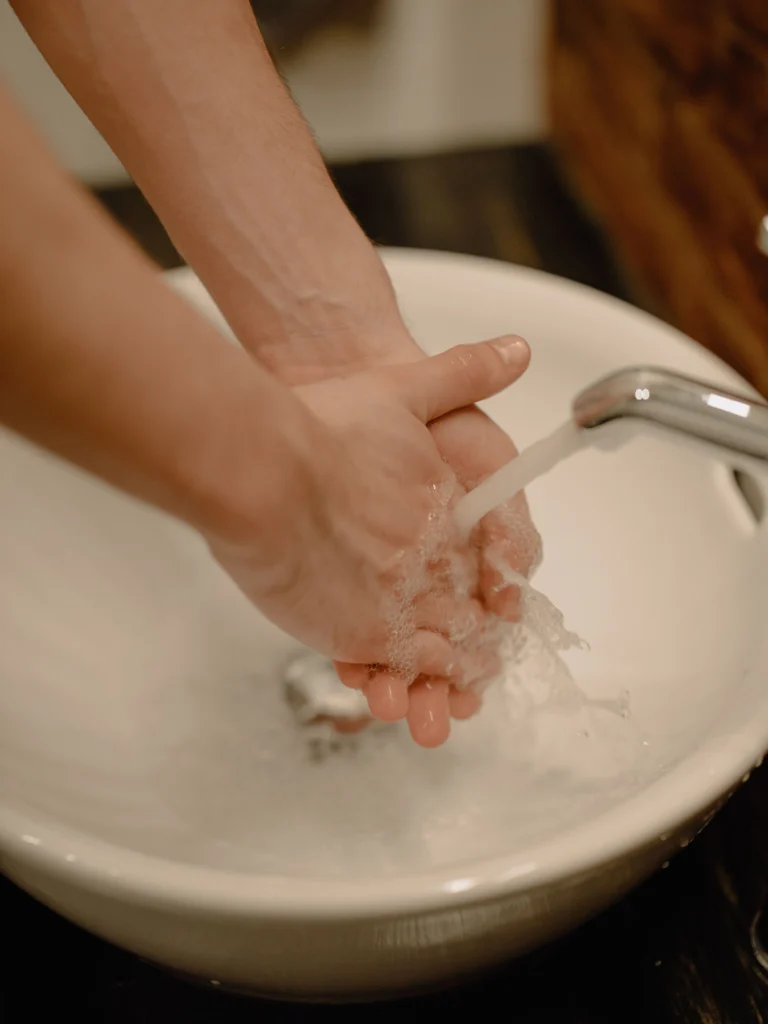
- Your Job or Daily Work: Jobs that involve frequent handwashing, chemical exposure, or working outdoors can remove your skin’s natural oils, leading to dryness.

Symptoms of Dry Skin (Xerosis)
- A tight feeling in your skin, especially after washing or bathing.
- Rough, dry skin that feels uneven to the touch.
- Persistent itching that may make you want to scratch.
- Mild to severe flaking, which may give brown or Black skin an ashy appearance.
- Peeling or scaly patches on the skin.
- Fine lines or tiny cracks caused by dryness.
- Cracked skin, including deep cracks that may become painful or bleed.
- Changes in skin color, such as redness on lighter skin tones or a grayish, ashy appearance on darker skin tones.
- Pain, stinging, or a burning sensation in the affected areas.
Treatment options for Dry Skin (Xerosis)
“For dry skin, the main goal is to keep the skin well hydrated. If you restore moisture to the skin, you may protect it from dryness so
- Using a moisturizer: Applying a moisturizer regularly helps keep your skin soft, smooth, and hydrated. It also prevents cracking by strengthening your skin’s natural protective barrier.
- Using medications (if needed): If your skin is extremely dry, itchy, or cracked, your doctor may prescribe a medicated cream or ointment to reduce inflammation and itching. In severe cases, oral or injectable medicines may also be recommended.
How to Choose the Right Moisturizer for Dry Skin
- Choose fragrance-free moisturizers to reduce the risk of skin irritation.
- Avoid products with alcohol or sulfates, as they can make your skin even drier.
- Look for ingredients like petroleum jelly, hyaluronic acid, lanolin, or mineral oil to lock in moisture.
- Choose moisturizers with glycerin to attract and retain moisture in your skin.
- If your skin is itchy, use a hydrocortisone cream only if recommended by your doctor.
- Use a moisturizer with SPF during the day to protect your skin from sun damage.
- Pick a moisturizer made for the affected area, such as one for your face and another for your body.
Note:
Everyone’s skin is different, so a moisturizer that works well for someone else may not be the best choice for you. If you’re unsure, talk to your doctor or dermatologist to find a moisturizer that’s right for your skin type and needs.
7 Preventing Tips for Dry Skin (Xerosis)
- Moisturize every day: Apply a moisturizer regularly, especially after bathing and washing your hands, to keep your skin soft and hydrated.
- Use sunscreen: Protect your skin by using a sunscreen with SPF 30 or higher whenever you go outdoors, even on cloudy days.
- Take short, warm showers: Keep showers or baths under 10 minutes and use warm water instead of hot water to prevent your skin from drying out.
- Choose a gentle cleanser: Use a mild, fragrance-free cleanser or moisturizing soap to avoid irritating and drying your skin.
- Shave gently: Apply a shaving cream or gel before shaving, use a sharp razor, and moisturize your skin afterward.
- Protect your skin from cold weather: Wear gloves, scarves, and warm clothing during cold or windy weather to reduce moisture loss.
- Wear gloves while doing chores: Protect your hands by wearing gloves when gardening, cleaning, or using harsh chemicals.

FAQs
Can Severe Dry Skin (Xerosis) Lead to Psoriasis?
No. Severe dry skin (xerosis) does not cause psoriasis, but it can trigger or worsen psoriasis flare ups in people who already have the condition.
What Are the Major Risk Factors for Dry Skin (Xerosis)?
Older age, cold or dry weather, certain medical conditions, frequent handwashing, and exposure to harsh soaps or chemicals are the major risk factors for dry skin (xerosis).
What Are the Major Complications of Dry Skin (Xerosis)?
If left untreated, dry skin (xerosis) can lead to eczema, painful skin cracks, and skin infections.
References
Cleveland Clinic – What is Dry Skin ( Xerosis), Types, Causes and Treatment Options for Dry Skin.
Mayo Clinic – Symptoms and Preventing tips for Dry Skin.
Conclusion
Dry Skin (Xerosis) is a common skin condition in which your skin does not have enough moisture to stay soft and smooth. Doctors call this condition xeroderma, and if the skin is severely dry, they may call it xerosis.
There are four main causes that can trigger dry skin: age, climate, medical conditions and family history, and your daily routine or work.
The symptoms of dry skin include a tight feeling in your skin, rough or dry skin, persistent itching, mild to severe flaking, peeling or scaly patches, fine lines or tiny cracks, cracked skin, changes in skin colour, and pain, stinging, or a burning sensation.
You can manage dry skin by moisturizing every day, using sunscreen, taking short, warm showers, choosing a gentle cleanser, shaving gently, protecting your skin from cold weather, and wearing gloves when needed.