
Fever Symptoms in Adults: Causes, Treatment and Prevention.
Are you feeling temperature in the body, sweating, chills, headache, or muscle pains, then yes, it may be fever because these are common symptoms in adults. Then check your temperature; if your temperature is above 99°F it is generally considered a fever, it can be treatable.
Now need to check which type of infection it is because infections are the most common cause for fever. In this article, explained fever causes, symptoms, treatment, and prevention clearly, and if you go through it, definitely you may get good knowledge on fever.
Information in this article is gathered from reputable health organizations such as National health service and Mayo Clinic.
Do you know about Fever?
According to the Mayo clinic, Basically, fever is a symptomatic condition where you can find a slight rise in body temperature. If there is any infection in any part of the body, it can impact the overall immune system, and the body reacts with symptoms, whether it is a bacterial infection or a viral infection.
In some cases, I have observed that patients complain of body pains, headache, and mild fever; this can be due to viral infections. If a child has a fever after playing in the rain, it can be due to seasonal viral infections.
Children and adults may feel very uncomfortable with fever, but there is no need to worry. However, especially in infants who have even a low fever, you may suspect a serious infection.
Naturally, the discomfort from fever and its symptoms may reduce in a few days. Of course, there are many medications available. But if you do not feel discomfort during fever, there may be no need for treatment in some cases.
In case of High Fever
As the National Health Service mentioned , when you measure your temperature with a thermometer and observe a reading above 38°C or 100.4°F, you may confirm that you have a high fever. Apart from this, if you feel hot, cold, shivery, or notice that your chest and back are very hot, you can also consider it a high fever. Sometimes, along with cold and flu symptoms, you may suddenly feel a high fever In this condition, the following are very important to follow:
-
Take rest.
-
Drink plenty of fluids, preferably water, to prevent dehydration.
-
If you feel uncomfortable, you may take paracetamol or ibuprofen as per the recommended dosage.
-
If you still do not feel better, please contact a doctor for treatment.
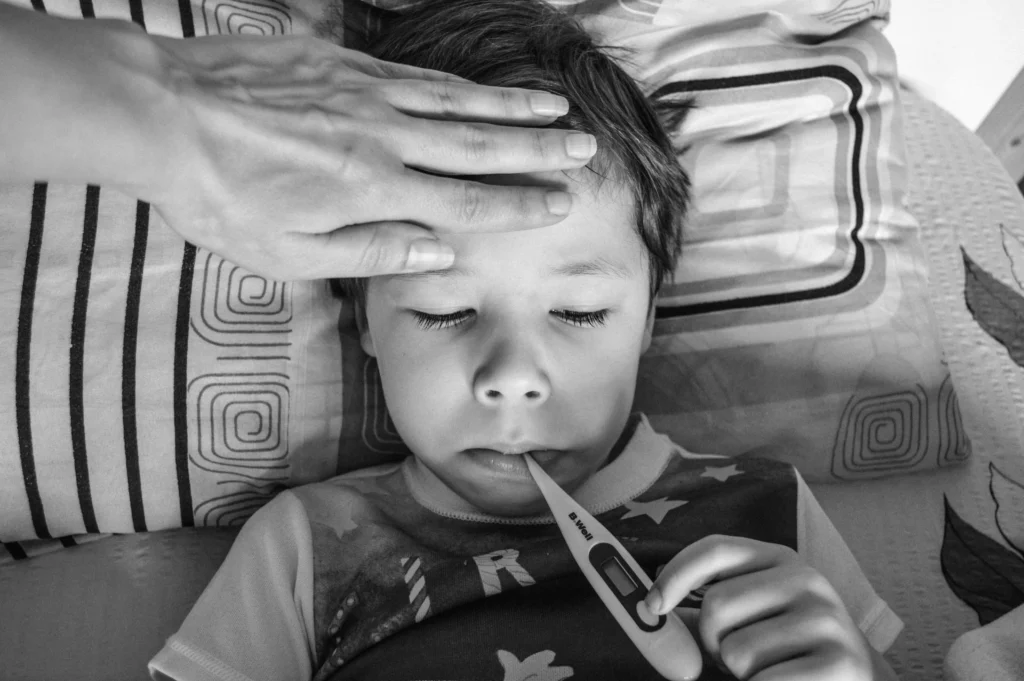
Why Fever Occurs – Causes
As mentioned by the Mayo Clinic, in cases of fever, an area in the brain called the hypothalamus, also known as your body’s “thermostat,” plays an important role because it balances temperature in the body. In healthy conditions, your body temperature slightly varies throughout the day; it can be lower in the morning and slightly higher in the evening.
When your immune system responds to a disease, the hypothalamus can set your body temperature higher. Then you may experience fever-like symptoms. Elevated body temperature might be caused by:
-
Bacterial infections
-
Heat exhaustion
-
Certain inflammatory conditions
-
A cancerous tumor
-
Some medications, such as antibiotics and drugs used to treat high blood pressure or seizures
-
Some immunizations, such as diphtheria and tetanus
Fever Symptoms in Adults
As per Mayo Clinic data, If you stay in the sun for a long time or do heavy physical work, you may feel slightly warm, but it may not be a fever. If your temperature is above 38°C or 100.4°F and is associated with the symptoms mentioned below, then it may be a fever.
- Sweating
- Chills and shivering
- Headache
- Irritability
- Muscle aches
- Loss of appetite means “Not feeling like eating or eating less than usual.”
- General weakness
- Dehydration
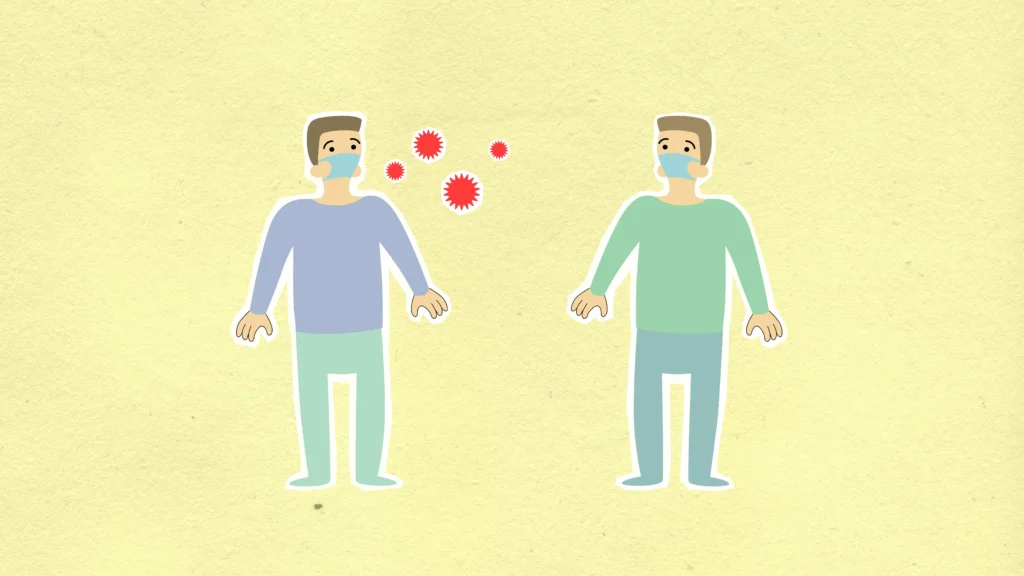
Fever Condition in Children
As per the National Health Service data, in children you may identify high fever when the temperature is above 38°C, and in that condition the child may feel:
- Very hot to the touch
- Sweating
- Look or feel unwell
- Have a seizure, which means a sudden uncontrolled electrical disturbance in the brain resulting in shaking of the body and loss of consciousness
What needs to be done at home
If you identify high fever in your child, the below-mentioned things should be done:
- Give them plenty of water
- Please monitor dehydration condition
- If they ask for food, please provide it
- Check on your child regularly, including night time
- Keep them at home
- If your child feels discomfort, you may give Paracetamol or Ibuprofen, but the dosage should follow guidelines only
- If you still feel worried about your child, please contact a qualified doctor
Please don’t do this at home
- Please prefer comfortable clothes for your child
- Do not cover them with too many clothes or bed sheets
- Do not give aspirin to children under 16 years of age
- Do not give paracetamol to a child under 2 months
- Do not give ibuprofen to a child who is under 3 months, weighs under 5 kg, has chickenpox, or is dehydrated

When to See a Doctor for Infants and Toddlers
As per Mayo Clinic data, you can contact a qualified doctor in the following conditions:
- When the temperature is higher than 100.4°F (38°C) in babies younger than 3 months, doctor consultation is required
- When the temperature is higher than 102°F (38.9°C) in babies between 3 to 6 months, doctor consultation is required
- When the temperature is higher than 102°F (38.9°C) in babies between 3 to 6 months and lasts longer than one day, doctor consultation is required
When to See a Doctor for Children
As per Mayo Clinic data, you can contact a qualified doctor in the following conditions:
- If your child is taking very little water or food and has very poor eye contact with you, then it is a sign to contact a doctor
- If your child has repeated vomiting, severe headache, sore throat, stomach ache, or other symptoms, then it is a sign to contact a doctor
- If a child has a fever after being left in a hot car, then immediate medical support is needed
- If a child has a fever that lasts longer than three days, then immediate medical support is needed
- If a child has a seizure associated with fever, then immediate medical support is needed
When to See a Doctor for Adults
As per Mayo Clinic data, when the temperature is higher than 103°F (39.4°C) in adults and is associated with any of the below-mentioned symptoms, then immediate medical support is needed:
- Severe headache
- Rash
- Persistent vomiting
- Difficulty breathing or chest pain
- Abdominal pain
- Pain when urinating
- Mental confusion, strange behavior, or altered speech

How to prevent Fever
As per Mayo Clinic data, you can prevent fever by reducing exposure to infectious diseases. The below-mentioned tips may help to reduce infectious diseases:
- Get vaccinated
- Follow public health guidelines
- Wash your hands regularly and suggest the same to your children
- Carry hand sanitizer with you
- Try to avoid touching your nose, mouth, or eyes
- Cover your mouth when you have a cough and cover your nose when you sneeze
- Avoid sharing water bottles, cups, and utensils
4 thoughts on “Fever Symptoms in Adults: Do’s, Don’t s and Prevention tips.”