
ICD 10 Code for GERD Without Esophagitis: Evidence Based Guide
Gastroesophageal Reflux Disease (GERD) is a very common digestive condition. Nowadays, due to bad food habits, stress, and lack of physical activity, many people are affected worldwide. It happens when stomach acid comes back into the esophagus, leading to symptoms like chest pain and heartburn.
In medical practice, coding systems such as ICD-10-CM are used for accurate diagnosis, documentation, and billing.
In this article, we explain GERD, its causes, symptoms, diagnosis, and treatment options, the ICD 10 Code for GERD without esophagitis, and how the ICD-10 code is used in clinical practice and billing with evidence-based references.
What is GERD?
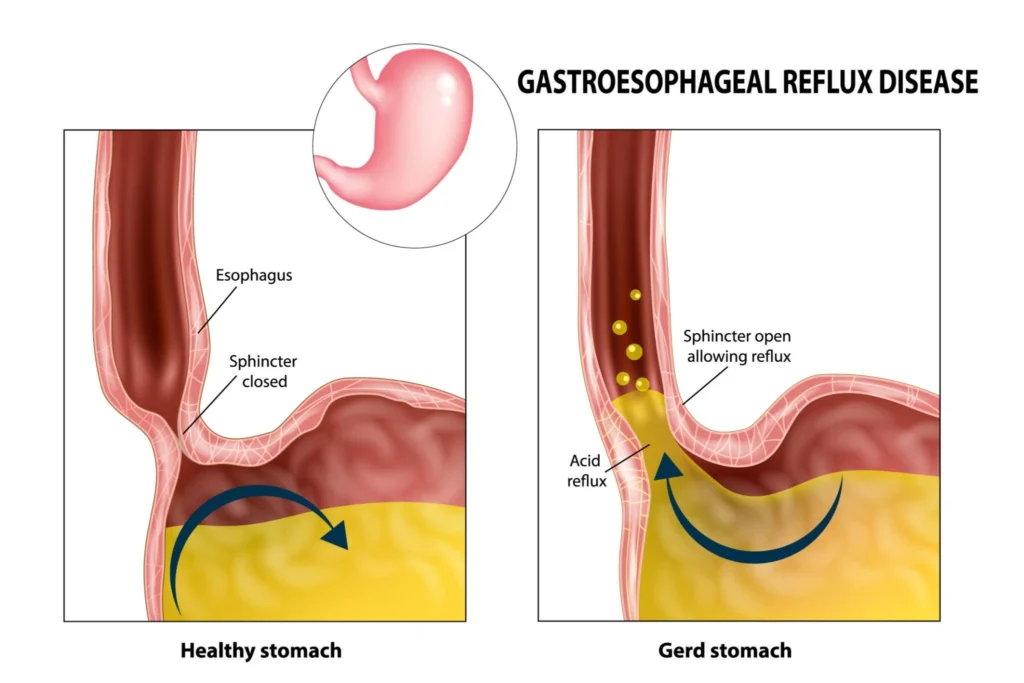
According to the Mayo Clinic, GERD (Gastroesophageal Reflux Disease) is a common long-term condition. In this condition, the lower esophageal sphincter (LES) plays an important role. The LES is a muscle that acts as a valve between the stomach and the esophagus.
When it becomes weak or relaxes, gastric acid comes back into the esophagus through the LES. That acid irritates the lining of the esophagus, and there may be inflammation. This condition is called GERD with esophagitis. In some cases, there may be no visible inflammation in the esophagus; that condition is called GERD without esophagitis.
These conditions can lead to symptoms such as:
-
Heartburn
-
Chest discomfort (especially after meals)
-
Chronic cough
-
Difficulty swallowing
-
Acid regurgitation (sour or bitter fluid coming back into the throat
Chest discomfort and burning sensation may sometimes be confused with conditions like gastritis.
What Causes a Weak Lower Esophageal Sphincter
There are various reasons that impact the lower esophageal sphincter and cause it to weaken, but most of these are preventable, such as:
Overeating or Obesity
When you regularly overeat or are obesity, the stomach swells and puts pressure on the LES. Over time, the LES can lose its strength, which may lead to a weak LES. Overeating and obesity are risk factors not only for GERD but also for conditions like fatty liver disease.
Smoking
Smoking exposes the esophagus to toxins and chemicals that may damage the membranes and affect the LES, leading to weakness.
Drinking Alcohol
Alcohol relaxes the muscles in the LES and allows stomach acid to flow upward. Over time, it may also affect the function of the LES.
Certain Medications
Some medications may affect the LES by causing it to relax. It is important to understand their side effects before using them.
Certain Foods
It is better to avoid high-fat foods if you are at risk of developing GERD, as they may contribute to reflux symptoms.

ICD 10 Code for GERD without Esophagitis
According to standard medical coding references, the ICD 10 Code for GERD without esophagitis is K21.9.
Description: Gastroesophageal reflux disease without esophagitis
Category: Diseases of the digestive system
Type: Billable and specific ICD-10-CM code
Usage: When a patient is diagnosed with GERD without signs of esophageal inflammation
Conditions to apply:
-
Symptoms of acid reflux are reported
-
No visible inflammation, ulcer, or erosion is identified in the esophagus
-
The diagnosis is made based on clinical evaluation or appropriate testing
Difference Between GERD Codes
According to standard medical coding references”, the codes can be differentiated as follows:
ICD Code |
Condition |
Key Difference |
| K21.9 | Gastroesophageal Reflux Disease without esophagitis | Acid reflux is present, but no inflammation in the esophagus |
| K21.0 | GERD with esophagitis | Acid reflux with inflammation of the esophagus |
| K21.01 | GERD with esophagitis and bleeding | More severe condition with inflammation and bleeding |
Note: For better understanding
-
-
K21.9 is a mild condition (no visible damage)
-
K21.0 is a moderate condition (inflammation present)
-
K21.01 is a more serious condition (inflammation with bleeding)
-
Why Correct Coding Matters
-
To maintain accurate medical records
-
To support proper billing and insurance processes
-
To clearly describe the patient’s condition
Diagnosis of GERD Without Esophagitis
Diagnosis of GERD without esophagitis is usually based on doctor evaluation.
Symptom Assessment
Doctors review common symptoms like heartburn, chest pain, and acid reflux.
Medications like PPIs
Short-term treatment with acid-reducing medicines may help confirm the condition.
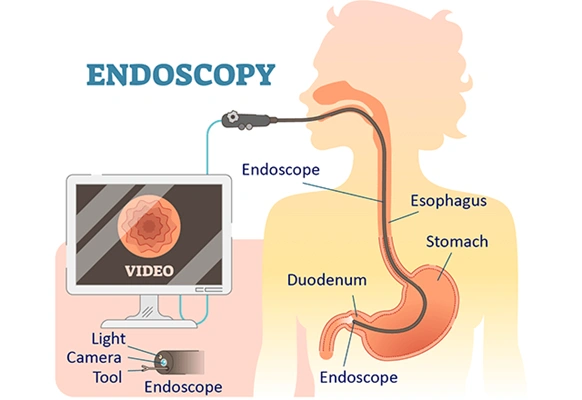
Upper GI Endoscopy
Through endoscopy, it can be confirmed that there is no inflammation or damage.
pH Monitoring
Measures acid levels in the esophagus, usually in some complex cases.
Treatment Options for GERD without Esophagitis
According to JOHNS HOPKINS MEDICINE, there are different treatment options for GERD without esophagitis.
Lifestyle Modifications
Common and simple daily habits can help reduce symptoms:
-
Limit spicy, oily, and acidic foods
-
Eat small, more frequent meals instead of large portions
-
Keep the head slightly elevated while sleeping
-
Maintain regular physical activity and a healthy body weight
Medications
Doctors may prescribe medicines based on individual requirements:
-
Proton pump inhibitors to reduce stomach acid
-
H2 receptor blockers as alternative options
-
Antacids for occasional quick symptom relief
Long-Term Management
-
Regular follow-up may be advised to monitor symptoms
-
Early management can help reduce the risk of complications
Note: Early-stage GERD can be well managed with consistent care and healthy lifestyle habits.
Importance of Medical Billing and Coding
ICD-10 codes play an important role in the healthcare system. Especially, the code K21.9 (ICD 10 Code for GERD without esophagitis) is important because:
-
Supports accurate insurance reimbursement
-
Helps to maintain clear and consistent clinical documentation
-
Assists in healthcare data collection and analysis
If the code is entered incorrectly, there may be issues such as:
-
Delay in claim processing
-
Requests for additional clarification
-
Possible review or audit situations
Very Important Note on ICD 10 Code K21.9
According to standard medical coding references,
-
The 2026 ICD-10-CM update for K21.9 became effective on October 1, 2025
-
This description refers to the American ICD-10-CM version; details may vary slightly in other countries
Classification of ICD-10 Code
-
K00–K95 → Diseases of the digestive system
-
K20–K31 → Diseases of the esophagus, stomach, and duodenum
-
K21 → Gastroesophageal reflux disease

FAQs
What is the difference between K21.9 and K21.0?
K21.9 is used for GERD without esophagitis.
K21.0 is used for GERD with esophagitis.
Can K21.9 be used for heartburn?
K21.9 is used for GERD without esophagitis. For heartburn alone, a different code (R12) may be used.
Is GERD without esophagitis a serious condition?
No, it can be considered an early stage of GERD and can often be managed with lifestyle changes and medical guidance.
References
Mayo clinic : GERD (Gastro esophageal reflux disease) Overview
AAPC : ICD 10 CM Code K21.9 GERD without Esophagitis.
Conclusion
ICD 10 Code for GERD without esophagitis is K21.9. This stage indicates that reflux is present, but there is no visible inflammation or damage to the esophagus.
Using this code correctly helps to:
-
Ensure accurate diagnosis and documentation
-
Support appropriate treatment planning
-
Enable smooth and clear billing processes
Disclaimer
The information provided about ICD 10 Code for GERD without esophagitis is for general awareness, informational, and educational purposes only.
This content is not a substitute for professional medical advice, diagnosis, or treatment. If you have any medical condition related to GERD, please consult a qualified doctor.
2 thoughts on “ICD 10 Code for GERD Without Esophagitis: Complete Guide”