
Best Vitamin D Deficiency Supplements for Adults: Evidence-Based Guide
Best Vitamin D Deficiency Supplements for Adults is a very concerning topic worldwide because vitamin D deficiency cases are increasing globally. Even though vitamin D is available through sunlight, many people still do not get enough due to limited sun exposure and spending more time indoors.
Vitamin D deficiency may occur due to limited sunlight exposure, poor dietary intake, or certain health conditions. Vitamin D is an essential nutrient that helps the body absorb calcium and maintain strong bones and teeth. It also plays an important role in supporting the immune system and muscle function.
If a person has low vitamin D levels, it may increase the risk of bone problems and other health issues over time. In such conditions, doctors may recommend vitamin D supplements. In this article, we explain the Best Vitamin D Deficiency Supplements for Adults, how they work in the body, and important tips for using them safely based on scientific evidence.
Importance of Vitamin D
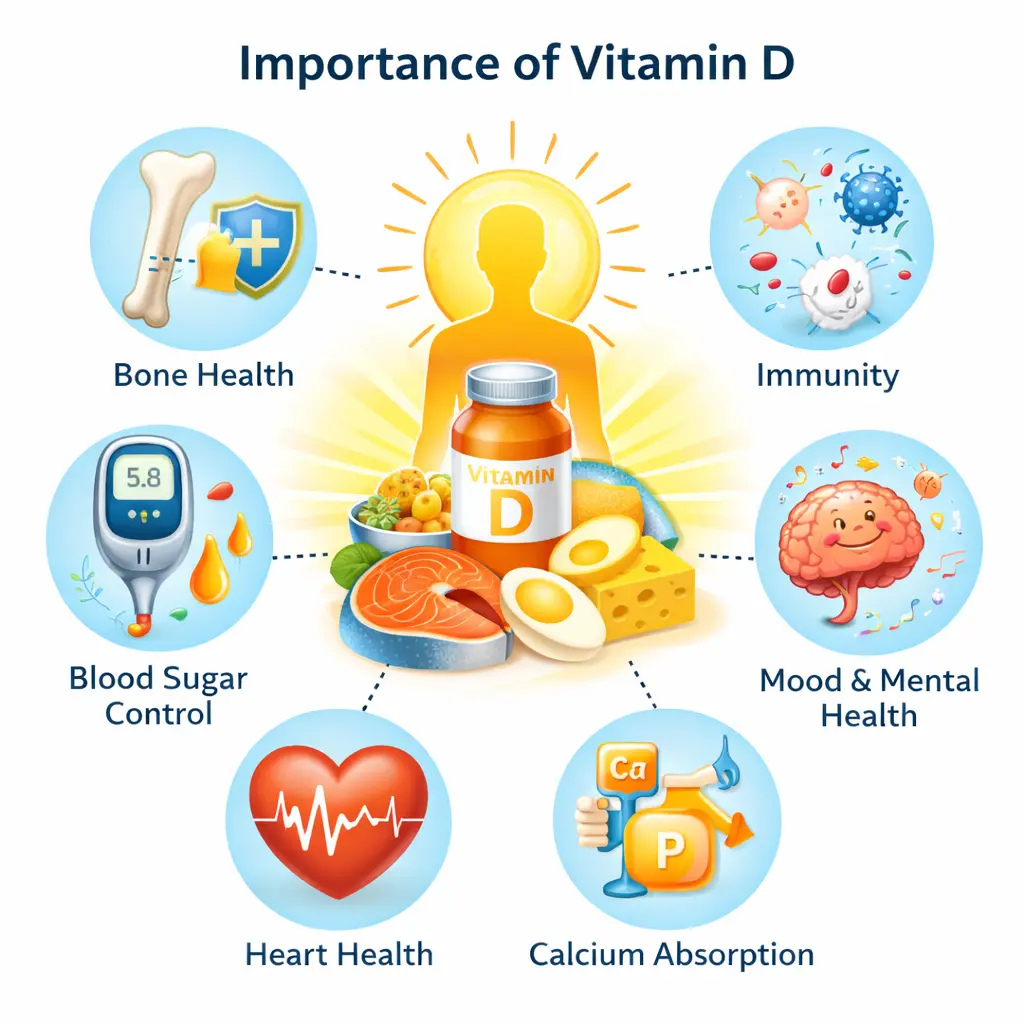
Vitamin D is a fat-soluble vitamin that plays an important role in maintaining overall health. Its main function is to help the body absorb calcium and phosphorus. These two minerals are essential for keeping bones and teeth strong.
Vitamin D plays a crucial role in bone and teeth health. Apart from that, it supports immune system function, muscle strength, and normal inflammatory processes in the body. Maintaining healthy vitamin D levels is therefore very important for overall health.
Vitamin D deficiency happens when the level of vitamin D in the blood becomes lower than recommended. It may be associated with symptoms such as bone discomfort, muscle weakness, or tiredness. Over a period of time, severe deficiency may lead to a condition called osteomalacia, where bones become softer than normal.
According to the National Institutes of Health (NIH), blood levels of 25-hydroxyvitamin D of 20 ng/mL or higher are considered sufficient for most adults. So maintaining vitamin D levels through sunlight exposure, balanced nutrition, and supplements is very important.
Causes and Risk Factors for Vitamin D Deficiency
According to the National Institute of Health (NIH), Several factors can increase the risk of vitamin D deficiency in adults. Understanding these factors can help in taking the right steps to maintain healthy vitamin D levels.
Limited Sunlight Exposure
People who spend more time indoors or live in areas with less sunlight may not get enough natural vitamin D.
Aging
Older adults are at higher risk because the skin becomes less efficient at producing vitamin D. Regular monitoring and proper nutrition can help maintain healthy levels.
Obesity
Higher body fat levels may affect how vitamin D is stored and used in the body.
Chronic Kidney or Liver Conditions
These organs help activate vitamin D. Certain health conditions may affect this process.
Digestive Disorders
Conditions like celiac disease can reduce the body’s ability to absorb vitamin D from food.

Best Vitamin D Deficiency Supplements for Adults
According to the National Institutes of Health (NIH), the Best Vitamin D Deficiency Supplements for Adults are mainly available in two forms: Vitamin D3 and Vitamin D2.
Vitamin D3 (Cholecalciferol)
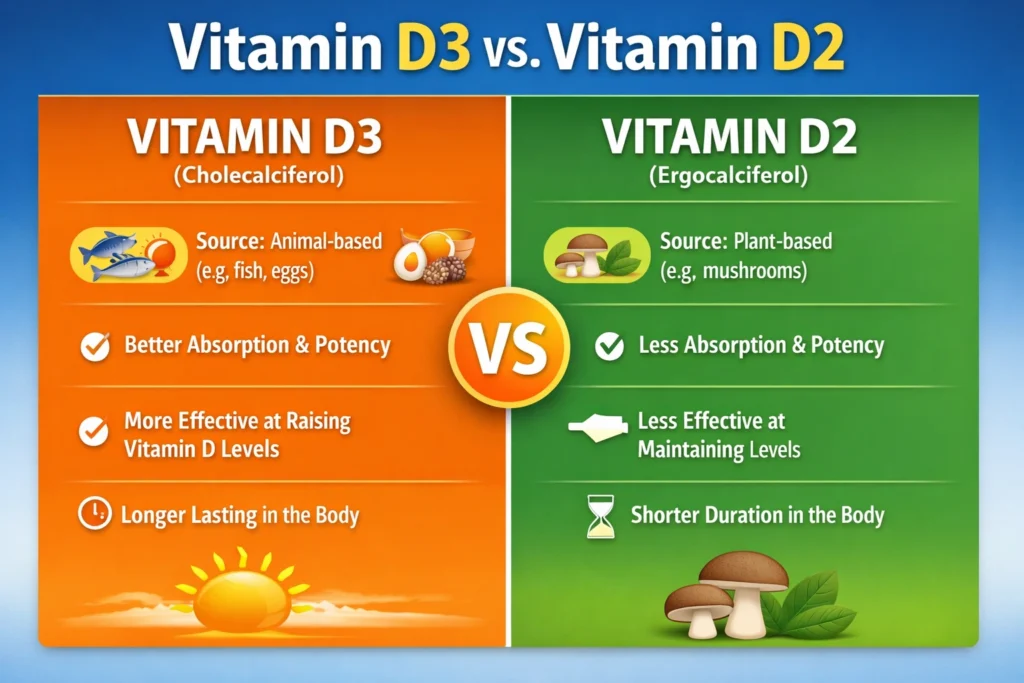
Vitamin D3 is the most recommended form of vitamin D supplement. It is naturally produced in the skin when exposed to sunlight and is also found in some animal-based foods.
Studies suggest that vitamin D3 is more effective at raising and maintaining vitamin D levels in the blood compared to vitamin D2.
Benefits of Vitamin D3:
-
Better absorption in the body
-
Longer-lasting effect
-
More effective in improving vitamin D levels
Vitamin D2 (Ergocalciferol)
Vitamin D2 is usually obtained from plant-based sources and is often used in fortified foods and prescription supplements. It helps increase vitamin D levels but may be less effective than vitamin D3.
However, it is still used in certain medical conditions, especially under medical supervision.
Recommended Vitamin D Supplement Dosage for Adults
According to the National Institutes of Health (NIH), the required amount of vitamin D varies depending on a person’s age, health condition, and current vitamin D levels.
General recommendations:
-
600 IU per day for adults aged 19 to 70
-
800 IU per day for adults above 70
In many cases, adults take 1000 IU to 2000 IU per day to maintain healthy vitamin D levels, especially if they have limited sunlight exposure.
For individuals with confirmed deficiency, doctors may recommend higher doses based on individual needs.
Studies suggest that a daily intake of around 800 IU to 1000 IU is generally safe and effective for maintaining adequate vitamin D levels.
Safety and Possible Risks of Vitamin D Supplements
According to the National Institute of Health (NIH), While vitamin D supplements are beneficial, taking very high doses for a long time may lead to a condition called vitamin D toxicity. This can increase calcium levels in the blood and cause symptoms such as:
-
Nausea
-
Vomiting
-
Loss of appetite
-
Weakness or confusion
-
Kidney problems such as stones
To stay safe:
-
Follow recommended dosage guidelines
-
Avoid high doses without medical advice
-
Check vitamin D levels when needed
Using supplements carefully along with a balanced diet and healthy lifestyle can help maintain safe and effective vitamin D levels.
Lifestyle Strategies to Improve Vitamin D Levels
Along with supplements, simple lifestyle strategies can help maintain healthy vitamin D levels.
Regular Sunlight Exposure
Spending 15 to 30 minutes in sunlight may help the body naturally produce vitamin D.
Vitamin D-Rich Foods
Include foods like fatty fish, egg yolks, and fortified dairy products in your diet.
Maintain Healthy Weight
A balanced weight supports better use of vitamin D in the body.
Regular Health Checkups
Checking vitamin D levels when needed helps monitor and maintain proper levels.

FAQs
Can sunlight replace vitamin D supplements?
Sunlight helps the body produce vitamin D naturally, but due to lifestyle and skin-related factors, many adults still require supplements to maintain adequate levels.
Can vitamin D deficiency affect immunity?
Yes, low vitamin D levels may weaken the immune system and increase the risk of infections.
How long does it take to correct vitamin D deficiency?
Depending on the severity and dosage, it may take around 6 to 8 weeks of supplementation to improve vitamin D levels.
Conclusion
Vitamin D deficiency is a common condition that affects bone health, immunity, and overall well-being. Maintaining healthy vitamin D levels is essential for long-term health.
The Best Vitamin D Deficiency Supplements for Adults include Vitamin D3 (cholecalciferol) and Vitamin D2 (ergocalciferol), with vitamin D3 being more effective in improving vitamin D levels.
For most adults, a daily intake of 600 to 800 IU is recommended, while 1000 to 2000 IU is commonly used to maintain healthy levels. In some cases, doctors may prescribe higher doses based on individual needs.
Along with supplements, following healthy lifestyle strategies such as regular sunlight exposure, a balanced diet, maintaining a healthy weight, and regular checkups can help maintain optimal vitamin D levels.
Disclaimer
The information provided in this article is for educational purposes only and should not be considered medical advice, diagnosis, or treatment. Always consult a qualified healthcare professional before starting any supplements or making dietary changes.