Yellow Fever Jab: 4 Strong Benefits to Get Vaccinated Today

Yellow Fever Jab: Benefits, Side Effects, and Protection Guide

If you have common symptoms such as fever, headache, body pain, muscle pain, nausea, and vomiting, and these symptoms appear 3 to 6 days after a mosquito bite, it could be yellow fever. Yellow fever is a mosquito borne viral disease.

Basically, yellow fever spreads through mosquitoes from an infected person to a healthy person. Sometimes, it can be dangerous because half of the people with severe yellow fever may die within 7 to 10 days if the disease becomes serious.

But you can prevent yellow fever by getting the yellow fever vaccine. If you go through this article, you will gain more knowledge about yellow fever and the importance of the yellow fever vaccine.

Understanding the Yellow Fever Jab

Usually, the yellow fever jab is recommended for people aged 9 months and older. It is especially recommended for people living in or traveling to areas where yellow fever is common, such as parts of Africa and South America. People who are traveling to or living in these areas should take the yellow fever jab for a safer stay.

In most cases, a single dose of the yellow fever jab is safe and provides lifelong protection. But, some people may have a higher risk of side effects or reactions to the vaccine. So, it is very important to talk to your healthcare professional before traveling to find out whether the yellow fever vaccine is right for you.
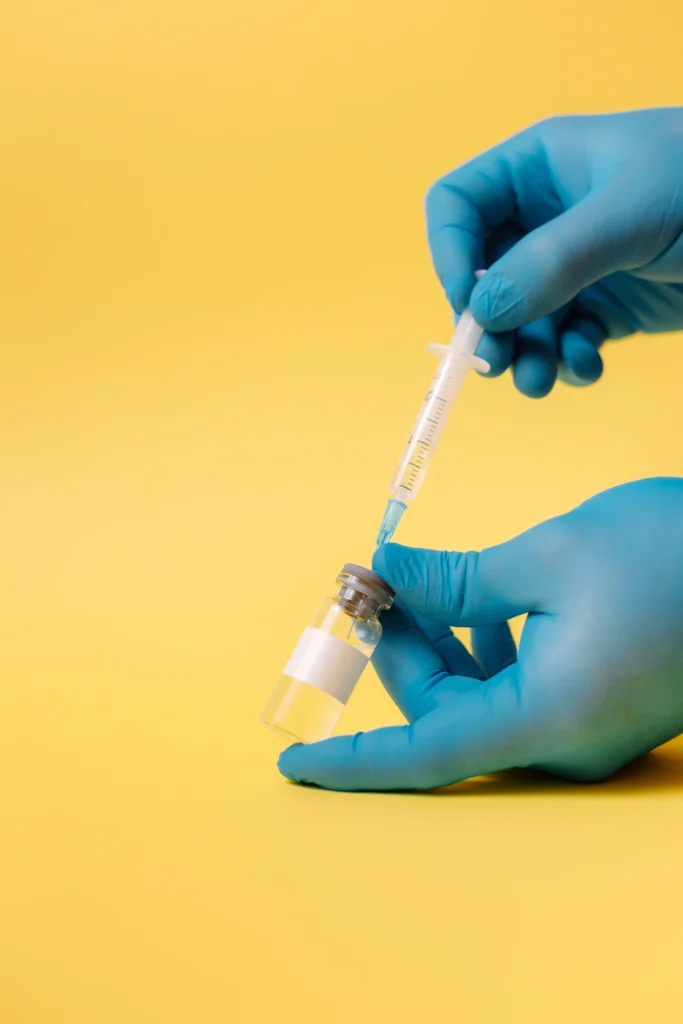
Healthcare professional preparing a Yellow Fever Jab vaccine injection before vaccination
A healthcare professional prepares a Yellow Fever Jab vaccine to help protect against yellow fever infection.

Importance of Yellow Fever Jab

It is very important to take yellow fever jab because about 15 out of every 100 infected people experience severe yellow fever symptoms, such as a high fever returning after initial improvement, jaundice (yellowing of the skin and eyes), severe vomiting, bleeding from the mouth, nose, eyes, or stomach, and organ failure (such as liver or kidney failure).

Unfortunately, about half of the people with severe yellow fever may die within 7 to 10 days if the disease becomes serious. More ever It can cause large outbreaks (epidemics) in crowded areas. It can spread between countries through infected travelers and mosquitoes.

4 Benefits of the Yellow Fever Jab

  1. Yellow fever can cause serious illness, and sometimes it can become severe, leading to liver damage, bleeding inside the body, and even death. The yellow fever vaccine provides strong protection and can lower your risk of these serious complications.
  2. If you want to travel to countries in Africa and South America, you can use proof of receiving the yellow fever vaccine to avoid travel delays, quarantine, or being denied entry.
  3. For most people, just one dose of the yellow fever vaccine provides long-lasting protection.
  4. When more people get vaccinated, yellow fever outbreaks can be reduced.
Yellow Fever Jab vaccine vials, face mask, and passport for international travel vaccination requirements
Yellow Fever Jab vaccine documentation and travel essentials help travelers meet vaccination requirements for certain countries.

Who Should Get the Yellow Fever Vaccine? 

  1. It is recommended for people aged 9 months and older to receive the yellow fever vaccine.
  2. It is recommended for people who are traveling to countries where yellow fever is common.
  3. It is also recommended for people who are living in yellow fever-risk areas, especially in parts of Africa and South America.

Note:

If you receive the yellow fever vaccine, you should not donate blood for a minimum of 2 weeks because there is a rare chance that the vaccine virus can be passed through blood transfusions.

Who Should Avoid the Yellow Fever Vaccine?

It is very important to avoid the yellow fever vaccine in the below-mentioned people:

  1. Babies who are younger than 9 months old.
  2. Adults who are above 60 years old. If they are travelling to areas where the risk of yellow fever is very low, they may not need to take the yellow fever vaccine.
  3. People who have a very weakened immune system, especially those with leukemia or lymphoma.
  4. People whose immune system is weakened by treatments such as steroids and chemotherapy.
  5. People who are allergic to the vaccine.
  6. People who have a thymus gland disorder.
  7. If a person’s close family members had severe reactions to the yellow fever vaccine, then it is better to avoid the yellow fever vaccine.
People staying active outdoors after receiving a Yellow Fever Jab vaccine for travel health protection
Maintaining good health and following travel vaccination recommendations, including the Yellow Fever Jab vaccine, can help reduce the risk of infectious diseases.

Side effects of Yellow Fever Jab

As a common medicine, yellow fever vaccine also have some side effects. Most of the people may not experience side effects but if they experience any side effects, please consult your doctor,

Here we can divide side effects into two types.

Rare but serious side effects

  • Confusion
  • Seizures (fits)
  • Difficulty breathing or swallowing
  • Fast heartbeat
  • Burning, crawling, or tingling sensation on the skin
  • Nervousness or irritability
  • Redness of the skin
  • Severe headache
  • Stiff neck

Common side effects that usually go away on their own

  • Mild fever
  • Mild headache
  • Muscle aches or cramps
  • Muscle pain or stiffness
  • Pain at the injection site
  • Swollen joints
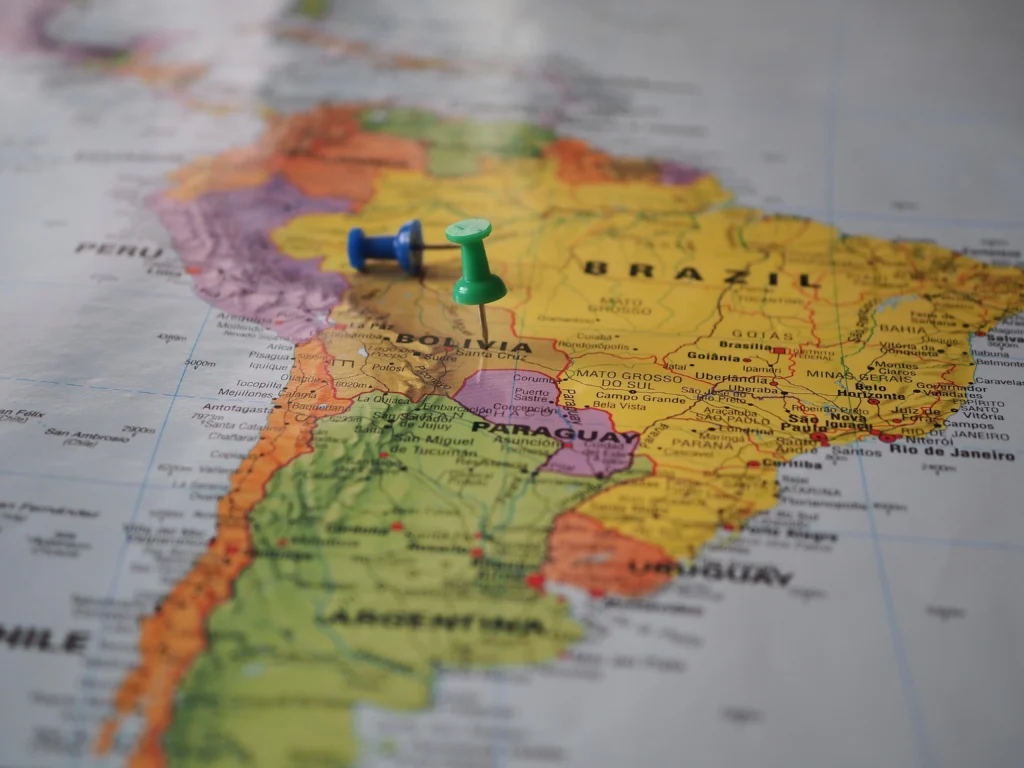
Map of South America highlighting travel destinations where a Yellow Fever Jab vaccine may be recommended
Travelers visiting certain regions of South America may need a Yellow Fever Jab vaccine to reduce the risk of yellow fever infection.

FAQ’s

What is the Yellow Fever Jab?

Yellow fever jab is the vaccine that helps to protect from yellow fever, which is very serious because about 15 out of every 100 infected people experience severe yellow fever symptoms, such as a high fever returning after initial improvement, jaundice (yellowing of the skin and eyes), severe vomiting, bleeding from the mouth, nose, eyes, or stomach, and organ failure (such as liver or kidney failure).

What Are the Possible Complications of the Yellow Fever Vaccine?

Possible complications of the yellow fever vaccine include severe allergic reactions, nervous system problems such as inflammation of the brain or nerves, high fever, and seizures.

Which part of the body can be affected by complications from the yellow fever vaccine?

Several parts of the human body can be affected by yellow fever, including the brain and nervous system, liver, kidneys, heart, lungs, and the immune system.

References 

Centers for Disease Control and PreventionOverview yellow fever jab, who should get and who                                                                                               should avoid yellow fever jab

National Health ServiceBenefits and side effects of yellow fever jab.

Conclusion 

Yellow fever spreads through mosquitoes from an infected person to a healthy person. Sometimes, it can be dangerous because half of the people with severe yellow fever may die within 7 to 10 days if the disease becomes serious.

Yellow fever jab is a vaccine that helps protect against yellow fever. By receiving the yellow fever vaccine, you can protect yourself from severe complications such as liver damage, bleeding inside the body, and even death. It also makes travel to countries in Africa and South America safer, as you can use proof of vaccination to avoid travel delays, quarantine, or being denied entry.

Disclaimer

The information about “Yellow Fever Jab” in this article is for educational and informational purposes only and is based on evidence from medical research sources.
It should not replace professional medical advice. If you experience any symptoms of Yellow fever, consult a qualified healthcare professional for proper treatment.

Leave a Comment