How to Prevent Heart Disease: Symptoms and 7 Preventing Tips
Do you want to know how to prevent heart disease, and why it occurs? If you have hypertension, diabetes, a habit of using illegal drugs, emotional stress, excessive alcohol consumption, or a habit of smoking, then there is a possibility of developing heart disease.
My colleague, Mr. Vasu, at 45 years old, ignored his blood pressure and continued drinking alcohol and smoking. After some time, he started feeling chest pain and fatigue. After a medical check-up, he was diagnosed with coronary artery disease.
There are different causes for different types of heart disease, such as coronary artery disease, arrhythmias, diseases of the heart muscle, and heart valve disease. Many forms of heart disease can be prevented or treated with healthy lifestyle changes.
In this article, I have explained everything about how to prevent heart disease clearly using easy to understand words. If you go through this, you may gain good confidence in preventing heart disease in the future. All the content is evidence-based and sourced from Mayo Clinic and Cleveland Clinic.
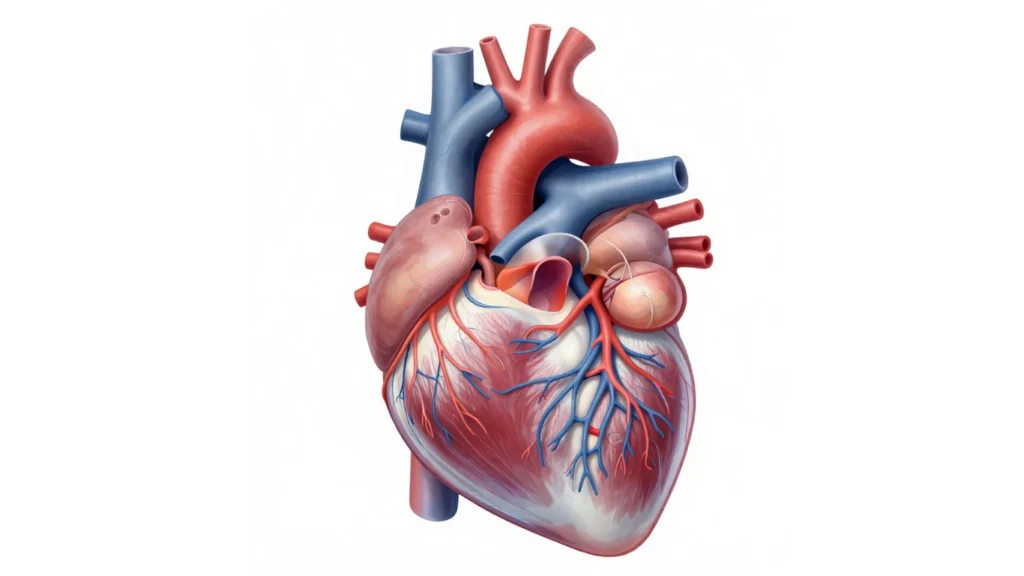
How Your Heart Works
Right side of the heart there is blood vessels called pulmonary arteries and these vessels moves blood from heart to the lungs.
Left side of the heart there is vessels called pulmonary veins so in the lungs blood gets oxygen and oxygen rich blood goes to the left side of the heart through vessels.
Then heart pumps the oxygen rich blood through the body’s main artery, called the aorta. So the blood goes to the rest of the body.
You just imagine, your blood is like a delivery truck carrying empty oxygen cylinders. It goes to the lungs to refill oxygen, then comes back full to supply the body.
Heart Valves
Four valves involves in the blood flowing to the right direction. these are
- Aortic valve
- Mitral valve
- Pulmonary valve
- Tricuspid valve
Note
Each valve has flaps, called leaf lets or cusps. The flaps open and close once during each heartbeat. If a valve flaps does not open or close properly then less blood moves out of the heart to rest of the body.
Heartbeats
The heart’s electrical signals start in a group of cells at the top of the heart called the sinus node. They pass through a pathway between the upper and lower heart chambers called the atrioventricular (AV) node. The movement of the signals causes the heart to squeeze and pump blood.
“Your heartbeat is not just a sound; it is a life-saving process happening inside your body. You may not notice it, but your heart works day and night to keep you alive.”
Types of Heart Disease
There is a five types of heart disease.
1. Coronary Artery Disease (CAD)
“Just imagine the coronary artery is like a water pipe. In a water pipe, if dirt and grease build up, the water flow becomes slow or even blocked.
Similarly, in the coronary arteries, if fats, cholesterol, or other substances build up, it reduces blood flow to the heart and other parts of the body. It can lead to a heart attack, chest pain, or stroke.
The buildup of plaque (fats, cholesterol, or other substances) in the arteries is called atherosclerosis. This condition is called coronary artery disease.”
Symptoms of coronary artery disease
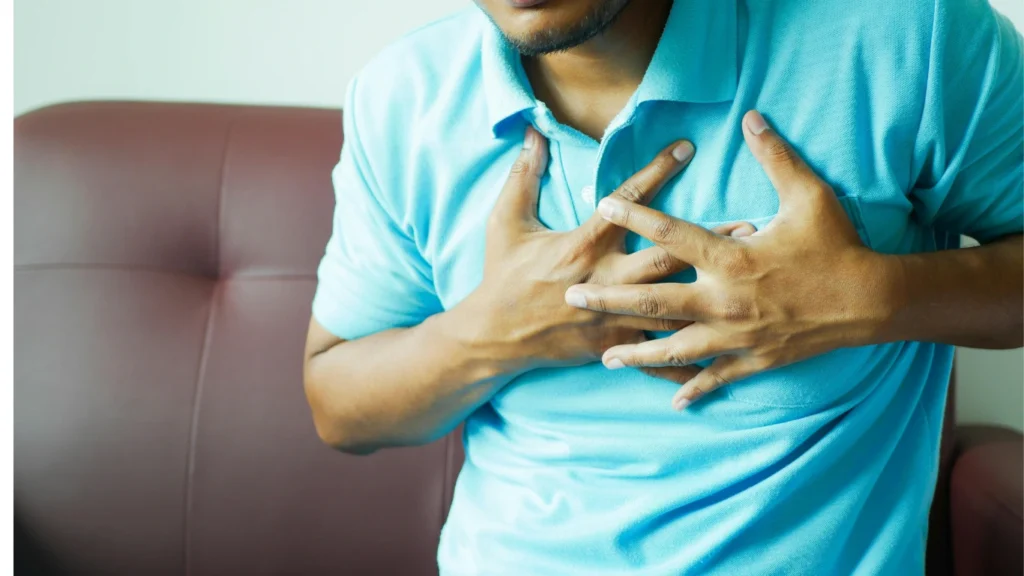
- Chest pain, chest discomfort, chest tightness and chest pressure
- Shortness of breath
- Pain in the neck, jaw, throat, upper belly or back.
- Pain, numbness, weakness or coldness in the legs or arms.
Note
You might not be diagnosed with coronary artery disease until you have heart attack, angina, a stroke or heart failure so it is very important to monitor heart symptoms by health care professionals.
2. Arrhythmias (Irregular heartbeats)
Causes of Arrhythmias
Common causes of arrhythmias are
- Heart muscle disease, called cardiomyopathy.
- Coronary artery disease.
- Diabetes.
- Illegal drugs such as cocaine.
- Emotional stress.
- Too much alcohol or caffeine.
- Heart conditions present at birth, called congenital heart defects.
- High blood pressure.
- Smoking.
- Heart valve disease.
- Some medicines, herbs and supplements.
Symptoms of Arrhythmias
If your heart may beat too quickly, too slowly or irregularly, you may find the symptoms such as
- Chest pain or discomfort.
- Dizziness.
- Fainting or almost fainting.
- Fluttering in the chest.
- Lightheadedness.
- Racing heartbeat.
- Shortness of breath.
- Slow heartbeat.
3. congenital heart defects
Congenital heart defects happens while a baby is growing in the womB.
Causes of congenital heart defects
- Gene changes
- Some medical conditions
- Some medicines
- Environmental or lifestyle factors
Symptoms of congenital heart defects
A congenital heart defect is a heart condition present at birth. Serious congenital heart defects usually are noticed soon after birth. Symptoms includes
- Blue or gray skin. Depending on skin color, these changes may be easier or harder to see.
- Swelling in the legs, belly area or areas around the eyes.
- In an infant, shortness of breath during feedings, leading to poor weight gain.
Some congenital heart defects may not be found until later in childhood or during adulthood. Symptoms may include:
- Getting very short of breath during exercise or activity.
- Easily tiring during exercise or activity.
- Swelling of the hands, ankles or feet.
4. Cardiomyopathy (heart muscle disease)
Causes of cardiomyopathy
There is a three types of cardiomyopathy based on the causes. these are
- Dilated cardiomyopathy
It is a most common type of cardiomyopathy. cause is unknown and mostly it may be passed down through families which means is inherited.
- Hypertrophic cardiomyopathy
This is also passed down through families.
- Restrictive cardiomyopathy
It happens for unknown reasons; sometimes it is caused by a buildup of proteins called amyloid. It may also be caused by connective tissue disorders.
Symptoms of cardiomyopathy
Cardiomyopathy may not cause noticeable symptoms, as the condition gets serious. symptoms are
- Dizziness, lightheadedness and fainting.
- Fatigue.
- Feeling short of breath during activity or at rest.
- Feeling short of breath at night when trying to sleep, or waking up short of breath.
- Rapid, pounding or fluttering heartbeats.
- Swollen legs, ankles or feet.
5. Heart Valve Diseases
Causes of heart valve disease
Some people born with heart valve disease this is called as congenital heart valve disease. Some other causes are
- Rheumatic fever.
- Infection in the lining of the heart valves, called infectious endocarditis.
- Connective tissue disorders.
Symptoms of heart valve disease
Heart valve has a flaps, the flaps open and close once during each heartburn. Here many things can damage the heart valve if a heart valve is narrowed its called as stenosis. If a heart valve allows blood to go back, its called regurgitation.
Symptoms depend on how the valve allows blood to flow. These are
- Chest pain.
- Fainting or almost fainting.
- Fatigue.
- Irregular heartbeats.
- Shortness of breath.
- Swollen feet or ankles.
Risk Factors for Heart Disease
You should remember that your age, Sex or family history cannot control your risk factors for heart disease. But by changing your lifestyle habits, you can lower your risk of heart disease. But these are the conditions can increase the risk of heart disease
- High blood pressure
- LDL Cholesterol (low density lipoprotein)- it can cause plaque buildup in your arteries.
- Diabetes Mellites
- Obesity
- Oily and fatty foods
- Lack of Physical activity
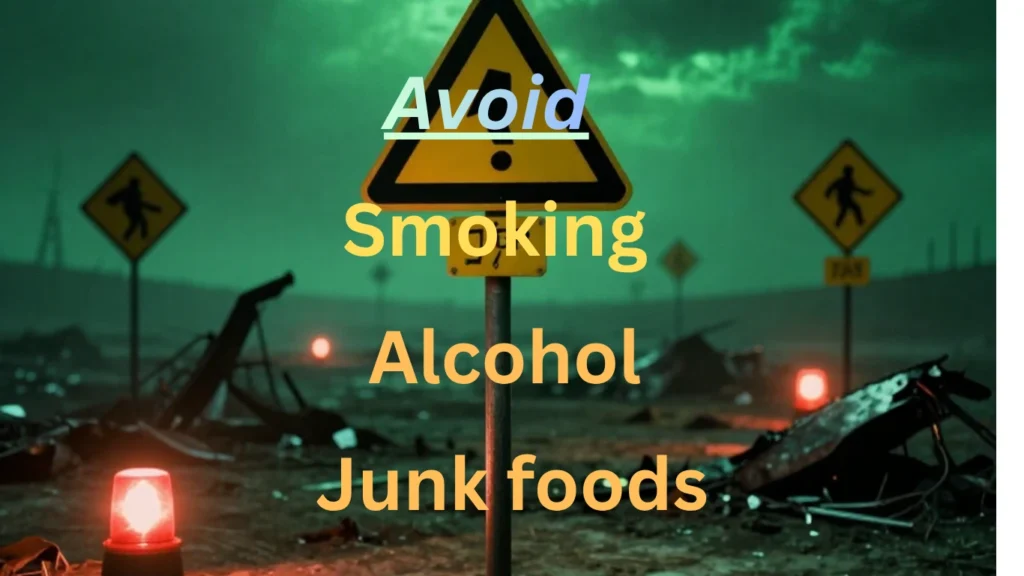
- Drinking too much alcohol
- Tobacco
Complications of Heart Disease
These are the possible complications of heart disease.
- Heart Failure
- Hear Attack
- Stroke
- Aneurysm
- Peripheral artery disease
- Sudden cardiac arrest
When to see a doctor
- If any of your family members has a biological history of heart disease and you have any other risk factors, then you should consult a cardiologist.
- If you have symptoms of heart disease, you should consult a cardiologist.
- If you suddenly experience chest pain, pressure, heaviness, discomfort, or shortness of breath, then you should call your local emergency number.
Management and Treatment of Heart disease

- Chest pain and discomfort
- Shortness of breath
- Pain in other areas
- Nausea, Vomiting and Dizziness
- Cold Sweating
- Extreme fatigue
References
Mayo Clinic – Heart Overview, Types of Heart disease, Causes, Symptoms, Complications and How to prevent heart disease.
Cleveland Clinic – Heart Disease Management and Treatment and When to see a doctor
Centers for Disease Control and Prevention – Risk factors of heart disease
Conclusion
Heart disease is a common disease worldwide because factors such as age, sex, and family history increase the risk. Therefore, ‘how to prevent heart disease’ is a common question for all age groups.
How to prevent heart disease is common question. But heart disease is manageable and preventable if you change your lifestyle habits, such as following a healthy diet, staying physically active, maintaining a healthy weight, and avoiding smoking and alcohol.
If you experience sudden symptoms like chest pain or discomfort, shortness of breath, pain in other areas, nausea, vomiting, dizziness, or cold sweating, then you should immediately call your local emergency number.
Disclaimer
The information about how to prevent heart disease in this article is for general awareness and educational purposes only. It does not replace medical advice or treatment. If you have any symptoms of heart disease, please contact a nearby cardiologist immediately.
8 thoughts on “How to Prevent Heart Disease with These 7 Life Saving Tips”