
Obesity for Women and Men: the 5 Risk Factors and Preventing Tips
Do you feel unhappy about your overweight? Then you should check your BMI. If your BMI crosses 30, then it can be confirmed as obesity. Obesity is a complex disease; it simply means having too much body fat.
Obesity is a medical condition that increases the risk of other diseases such as heart disease, diabetes, high blood pressure, high cholesterol, liver disease, sleep apnea, and certain cancers. However, you can prevent these health conditions associated with obesity if you lose weight.
In my case, I felt unhappy about my weight, but I ignored it for a few years. One day, I checked my BMI, and it had crossed 30. Then I realized that I was obese, and I immediately started making small lifestyle changes, such as doing one hour of physical activity daily and eating healthy food. After a few months, my BMI dropped below 30.
If you go through this, you should gain confidence to prevent obesity. I have explained everything about obesity for women and men in easy words for better understanding, based on the Mayo Clinic and Cleveland Clinic.
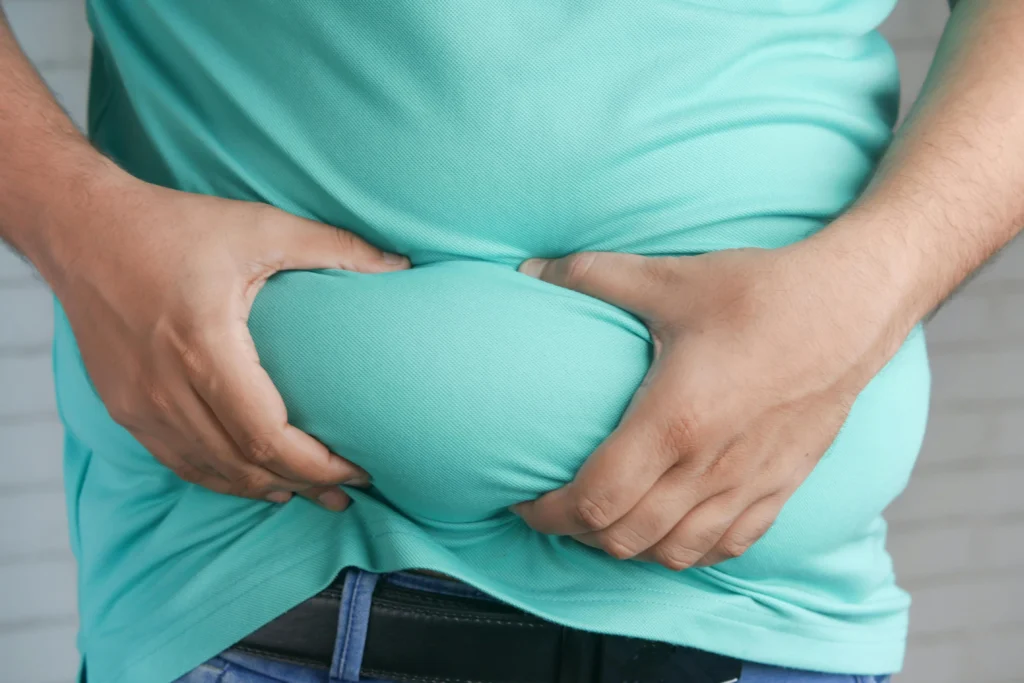
Symptoms of Obesity for Women and Men
Obesity doesn’t cause specific symptoms But doctor may define obesity by calculating Body Mass Index (BMI). BMI is a simple screening tool that compares a person’s weight with their height.
BMI |
Weight |
| Below 18.5 kg/m² | Under weight |
| 18.5 to 24.9 kg/m² | Healthy |
| 25.0 to 29.9 kg/m² | Overweight |
| Higher than 30.0 kg/m² | Obesity |
| 30 to 35 kg/m² | Class 1 Obesity |
| 35 to 40 kg/m² | Class 2 Obesity |
| More than 40 kg/m² | Class 3 Obesity |
Note
If BMI is more than 35 kg/m² in females or 40 kg/m² in males can be a risk factor for cardiovascular disease or Type 2 diabetes.
Causes of Obesity for Women and Men
If you take more calories than your body can use, it may cause overweight, which leads to obesity. There are many factors that play a crucial role in causing obesity.
Certain Medications: Medications you take to treat other conditions may contribute to weight gain, for example, antidepressants and steroids.
Food Habits: Consuming more calories than your body needs.
Genetics: People with obesity may carry specific genes that affect appetite.
Lack of Physical Activity: If you are not habituated to physical activity, it is a very dangerous sign.
Lack of Sleep: Missing out on at least seven hours of sleep.
Stress: Your brain and body react to stress by producing more hormones like cortisol that regulate hunger.
Underlying Health Issues: Diseases like metabolic syndrome and polycystic ovary syndrome can cause side effects such as weight gain.
How does obesity impact quality of life?
Obesity for women and men can effect overall quality of life. You may not able to do physical activities because of overweight. You may avoid public places. Other weight-related issues that may affect your quality of life.
In my case, I was unable to speak confidently with others, but after losing weight, I am now very confident in all aspects. There are other weight-related issues that may affect your quality of life.
- Shame and guilt.
- Social isolation.
- Lower work achievement.
- Depression.

5 Risk Factors of Obesity for Women and Men
There are many risk factors that contribute to obesity for women and men. These are
- Family inheritance: The genes passed down to you from your parents may affect the amount of body fat you store.
- Lifestyle Choices: Unhealthy diet, Liquid calories (Alcohol, cool drinks), Lack of physical activity
- Certain diseases and Medications: Diseases like hypothyroidism and Medicines like Steroids.
- Age and Sex: Obesity can occur at any age and sex. It may be for adults, children, women or men.
- Lack of sleep: Not getting enough sleep can cause changes in hormones that increase appetite.
Complications of Obesity for Women and Men
These are the complications you may experience if you are obese.
- Metabolic changes, this condition may increase your risk of serious illness.
- Fatty Liver Disease
- Gallstone
- High blood pressure
- Kidney disease
- Type 2 diabetes
- Certain Cancers like esophageal, pancreatic and colorectal
- Female infertility and pregnancy complications
- Heart Diseases
Direct Effects of Obesity for Women and Men
Obesity for women and men can effects directly on respiratory system and it put stress and strain on your musculoskeletal system. These conditions may effect on
- Arthritis
- Asthma
- Backpain
- Obesity hypoventilation syndrome
- Sleep apnea

Management and Treatment of Obesity
- By changing few lifestyle changes, you can manage obesity.
- Change food habits : avoid junk foods and take only less calories healthy food.
- Physical activity : Need minimum 1 hour physical activity is mandatory every day.
- Mental Health support: Counseling, support groups and cognitive behavioral therapy (CBT) can help to support positive changes.
Note:
Whatever medicine you take for weight loss, please ensure that you take it under the guidance of a healthcare professional. If you have class III obesity Doctor may suggest bariatric surgery.
Preventing tips of Obesity
Preventing obesity for women and men is easier than treating it once it has taken hold. Prevention strategies include:
- Change eating habits: Avoid soft drinks, sweets, ice creams, junk foods, and high-calorie foods.
- Physical activity: Spend at least 1 hour daily on physical activity.
- Getting enough sleep: You need a minimum of 7 hours of sleep.
- Cultivate overall wellness: Reduce your screen time and manage your stress.
FAQs
Does obesity lead to life-threatening diseases?
Yes, obesity can lead to life-threatening diseases and affects every system in the body. It may cause conditions such as
- Heart disease and stroke
- Type 2 diabetes
- High blood pressure
- Certain cancers
Can inherited obesity for women and men be prevented?
Inherited (genetic) obesity cannot be completely prevented, but it can be effectively managed and controlled.
What types of food are recommended to manage obesity?
A balanced diet with fruits, vegetables, lean protein, whole grains, and healthy fats can effectively help manage obesity. Combine it with daily physical activity for best results.
References
Mayo Clinic – Obesity for women and men Overview, Quality of life and Risk factors
Cleveland Clinic – Obesity Causes, Symptoms, Complications and Management and Prevention.
Conclusion
If you feel unhappy about your health, immediately check your BMI. If your BMI is above 30 kg/m², it is classified as obesity. You should start managing it, as it may lead to life-threatening diseases such as heart disease and stroke, type 2 diabetes, high blood pressure, and certain cancers.
Lifestyle changes such as a healthy diet, regular physical activity, getting enough sleep, reducing screen time, and managing stress can help manage obesity for women and men. By adopting these lifestyle changes, you can prevent obesity.
13 thoughts on “Obesity for Women and Men: 5 Hidden Risk Factors to Know”