Fatty Liver Disease ICD 10 Code Explained with 6 Serious Complications
Have you been suffering from itchy skin, abdominal swelling, shortness of breath, swelling in the legs, or changes in skin color on the palms, or yellowing of the skin and eyes (called jaundice)? If so, this condition may be metabolic dysfunction–associated steatotic liver disease (MASLD).
MASLD, commonly known as non-alcoholic fatty liver disease (NAFLD), is a liver condition that affects people with excess weight, obesity, or other metabolic conditions such as type 2 diabetes, high blood pressure, or high cholesterol.
However, you can manage this condition with lifestyle changes. Self-care steps such as achieving a healthy weight, eating well, and staying active are the most effective ways to manage it.
That I have seen in my office, one of my colleague Mr. Rajnadh a 42 year-old man with type 2 diabetes, started experiencing swelling in his legs and shortness of breath. He ignored it initially, thinking it was due to work stress. Later, tests showed fatty liver (MASLD). By controlling his sugar levels, improving diet, and doing regular exercise, he started recovering.
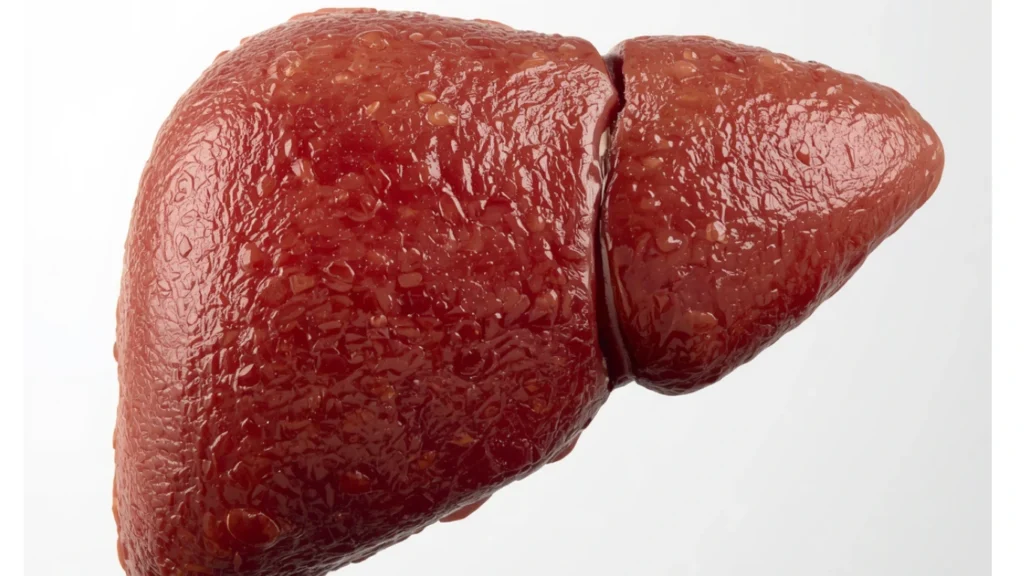
Fatty Liver Disease ICD 10 Code Overview
Non-alcoholic fatty liver disease and non-alcoholic steatohepatitis are often underestimated in healthcare and administrative databases. These databases commonly use ICD codes (International Classification of Diseases) to measure the overall disease burden.
This retrospective audit was conducted to assess the accuracy and limitations of the ICD, Tenth Revision, Australian Modification (ICD-10-AM) system in identifying NAFLD, metabolic risk factors such as obesity and diabetes, and other causes of long-term liver diseases.
In the ICD 10 AM System, doctors use different codes to record fatty liver diseases like NAFLD and NASH.
- K75.8 – Used for Non Alcoholic Steatohepatitis (when there is inflammation in the liver)
- K76.0 – for Non-Alcoholic Fatty Liver Disease (when there is fat in the liver without inflammation)
If the condition becomes severe and leads to cirrhosis (liver damage), doctors may use:
- K74.6 → For advanced liver cirrhosis
Other Alcoholic related liver disease ICD 10 AM Codes
Alcoholic related liver disease |
ICD 10 AM Code |
| Alcoholic hepatitis | K70.1 |
| Alcoholic fibrosis and sclerosis of liver | K70.2 |
| Alcoholic cirrhosis of liver | K70.3 |
| Alcoholic hepatic failure | K70.4 |
| Alcoholic liver disease, unspecified | K70.9 |
| Chronic viral hepatitis C | B18.2 |
| Carrier of viral hepatitis C | Z22.52 |
| Chronic viral hepatitis B without delta-agent | B18.0 |
| Chronic viral hepatitis B without delta-agent | B18.1 |
| Carrier of viral hepatitis B | Z22.51 |

Importance of ICD 10 AM Codes
The ICD is very important because it gives a common system (language) to record and track diseases. It means that
- Hospitals and doctors can record diseases in the same way
- Data can be easily shared and compared between hospitals, regions, and countries
- It also helps to track diseases over time
Many people use this ICD System, Including
- Doctors and nurses
- Other healthcare workers
- Researchers
- Medical record staff (coders, health information managers)
- Health IT workers
- Policy-makers and insurance companies
- Patient organizations
The ICD has been translated into 43 languages and is used by countries all over the world.
- Around 117 countries use it to report death data
- This helps to understand the health condition of people in a country
Symptoms of Fatty Liver Disease
MASLD does not usually show any symptoms, but it may become noticeable when you start to feel them,
- Feeling very tired
- Not feeling well
- Pain or discomfort in the upper right belly area
Possible symptoms of Metabolic dysfunction Associated Steatohepatitis and cirrhosis, which includes
- Itchy skin.
- Abdominal swelling, also called ascites (uh-SY-teez).
- Shortness of breath.
- Swelling in the legs.
- Spiderlike blood vessels just beneath the skin’s surface.
- Enlarged spleen.
- A change in skin color on the palms.
- Yellowing of the skin and eyes, also called jaundice.

Risk Factors of Fatty Liver Disease
Many diseases and health conditions may increases your risk of MASLD and MASH , Such as
- Obesity
- Type 2 diabetes and High blood pressure
- High cholesterol.
- High levels of triglycerides in the blood.
- Insulin resistance
- Obstructive sleep apnea.
- Underactive thyroid, also called hypothyroidism.
- Underactive pituitary gland, also called hypopituitarism.
- Age older than 50
Note : It is very difficult to confirm whether it is MASLD or MASH without testing.
6 Serious Complications of Fatty Liver Disease
Severe liver scaring is called cirrhosis is the main complication of the MASLD and MASH. If you unable to stop the scarring, cirrhosis can lead to below complications, such as
- Fluid buildup in the stomach area, called ascites.
- Swollen veins in the esophagus, called esophageal varices, which can rupture and bleed.
- Confusion, sleepiness and slurred speech, also called hepatic encephalopathy.
- Overactive spleen, known as hypersplenism, which can cause too few blood platelets.
- Liver cancer.
- End-stage liver failure, which means the liver has stopped working.
Preventing Tips of Fatty Liver Disease
These Tips may reduces the risk of MASLD, such as
Healthy Diet
Eat a diet that includes plenty of fruits, vegetables, whole grains and healthy fats. Simple example for Mediterranean diet is
- Fresh fruits and vegetables
- Whole grains like brown rice and oats
- Healthy fats like olive oil and nuts
Limit alcohol and Avoid Sugars
Avoid sugary drinks such as soda, sports drinks, juices and sweet tea. Avoid or limit alcohol, which can damage the liver.
Maintain Healthy Weight
If you are overweight or obese, try to lose weight slowly with the help of your doctor, If your weight is already healthy, focus on maintaining it by eating healthy food and doing regular exercise.
Physical Activity
Try to stay physical active on most days of the week

FAQs
How are fatty liver disease ICD 10 code determined?
Fatty liver disease ICD 10 Code is determined by evaluating the patient’s condition and matching it with the correct standard code.
What are the main causes of Fatty liver disease?
Fatty liver disease happens when too much fat builds up in the liver. The main causes are
- Unhealth diet
- Obesity
- Type 2 Diabetes
- High Cholesterol
- Lack of Physical activity
- Alcohol Consumption
Is fatty liver disease inherited?
Fatty liver disease is not directly inherited, but genetics can play a role.
References
National Institutes of Health – Fatty liver disease ICD 10 Code.
World Health Organization – Importance of ICD system.
Mayo Clinic – Fatty liver disease Symptoms, Risk factors, Complications and Preventing Tips.
Conclusion
Fatty liver disease ICD 10 code is very useful to record disease, track disease overtime and data can be easily shared and compared between hospitals, regions, and countries.
Fatty liver disease is a liver condition that affects people with excess weight, obesity, or other metabolic conditions such as type 2 diabetes, high blood pressure, or high cholesterol.
Fatty liver disease can be manage and prevent with simple good habitual such as healthy weight, physical activity, limit or avoid alcohol and health diet.
Disclaimer
The information about Fatty liver disease ICD 10 code in this article is for educational and informational purposes only and is based on evidence from medical research sources. It should not replace professional medical advice.
If you experience symptoms of fatty liver disease, consult a qualified healthcare professional for proper diagnosis and treatment.
1 thought on “Complete Guide: Fatty Liver Disease ICD 10 Code 2026 Updated”