Are Pneumonia Vaccine Side Effects Dangerous? Facts and Myths
Are you thinking about taking the pneumonia vaccine, and are you worried about the side effects of the pneumonia vaccine? But don’t worry about the side effects, as they can disappear within a few days. Taking the pneumonia vaccine is very important.
Because pneumonia can range from mild to life threatening, it is very serious for infants and young children, people older than 65, and people with health problems or weakened immune systems. So, do not ignore taking the pneumonia vaccine.
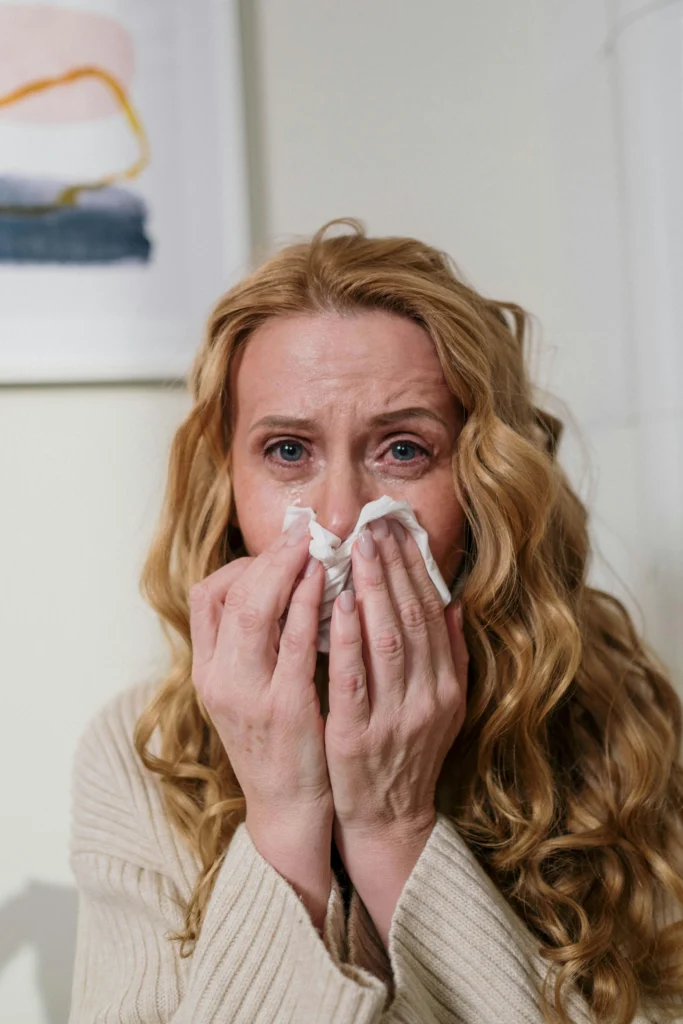
A variety of organisms such as bacteria, viruses, and fungi can cause pneumonia, and it mainly affects the lungs. It inflames the air sacs of the lungs. The air sacs may fill with fluid or pus, causing cough with phlegm or pus, fever, chills, and difficulty breathing.
If you have any question in your mind like, “Are pneumonia vaccine side effects dangerous?” don’t worry. I have explained everything clearly about pneumonia, the pneumonia vaccine, its uses, and side effects. So, if you go through this article, you may clear all your doubts.
What is Pneumonia?
Many organisms can cause pneumonia, mostly bacteria and viruses in the air we breathe, mostly caused by Streptococcus pneumoniae. Basically, your body has the capacity to prevent these germs from infecting your lungs, but sometimes these germs overpower your immune system.
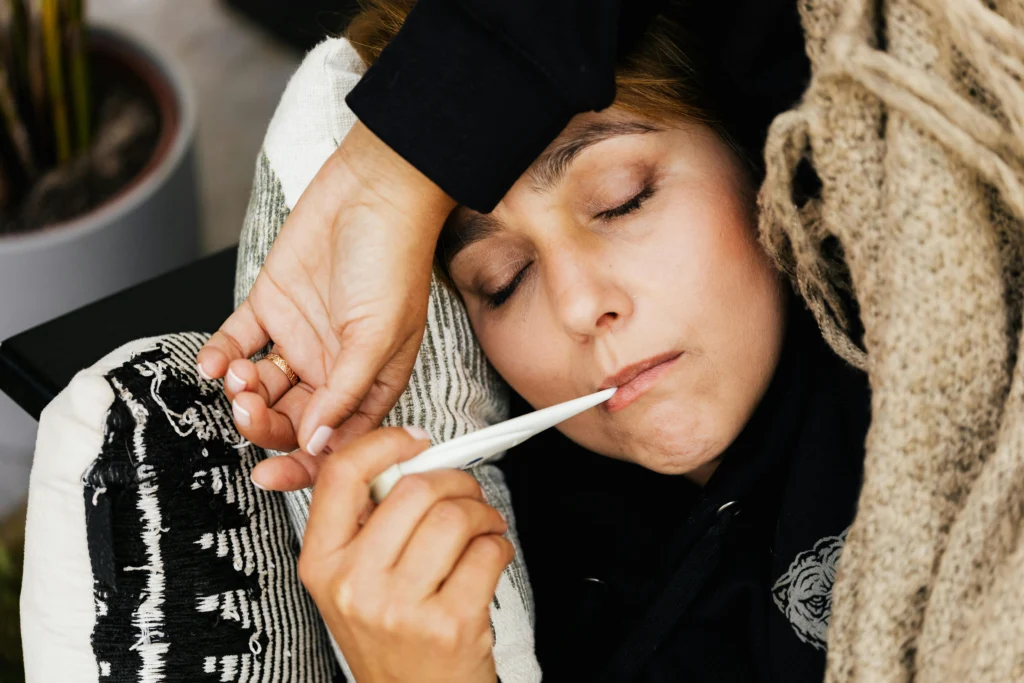
Symptoms of pneumonia can vary from mild to severe conditions, depending on the type of germs causing the infection, your age, and your overall health. Cold or flu like symptoms are common in all conditions, but they last longer.
If you have symptoms like difficulty breathing, chest pain, a persistent fever of 102°F (39°C) or higher, or a persistent cough, then it is required to consult a doctor immediately, especially for those who are at higher risk, such as infants and young children, people older than 65, and people with weakened immune systems.
It can also lead to life-threatening complications. Major complications include bacteria in the bloodstream, difficulty breathing, fluid accumulation around the lungs, and lung abscess.
You can prevent pneumonia mainly in three ways: getting vaccinated, practicing good hygiene, and maintaining a strong immune system.
What is Pneumonia Vaccine?
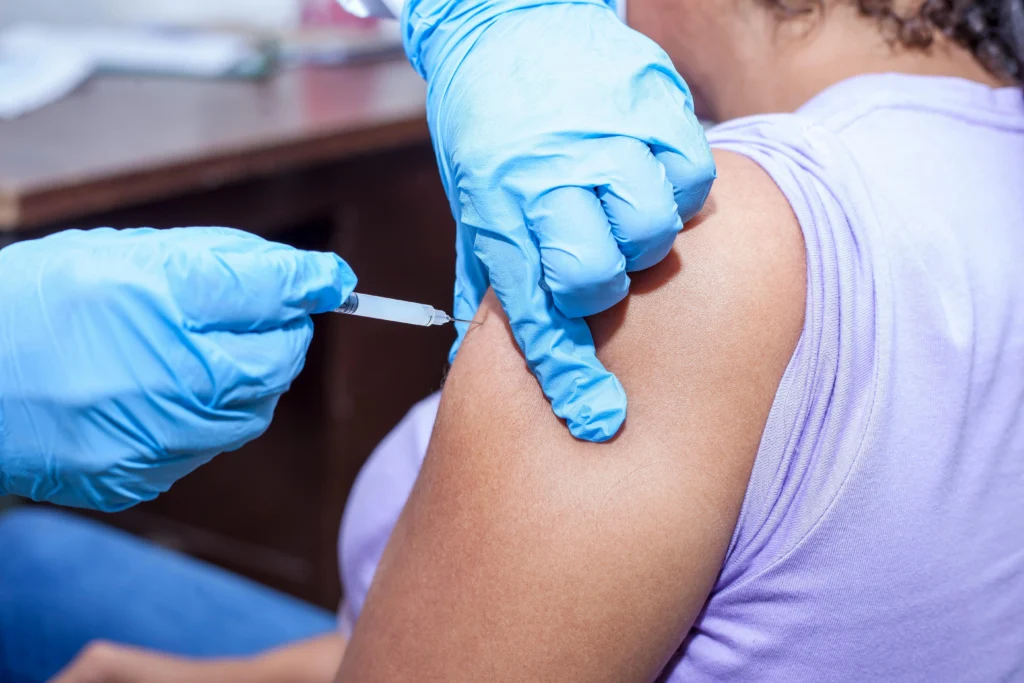
Pneumonia vaccine also known as the pneumococcal vaccine. It is recommended based on age and certain risk conditions. They are one of the best ways to protect against serious pneumonia infections, meningitis, and other invasive diseases. Invasive diseases are very serious and can sometimes result in death.
Pneumococcal vaccines are recommended for babies, older adults, and people at higher risk of severe illness from pneumonia infections. Here, you can find details about the doses based on individual conditions.
Individual condition |
Doses |
| Babies | 1st dose at 16 weeks and a booster dose at 1 year |
| People aged 65 and above | 1 dose when you’re 65 |
| Children and adults at higher risk | At least 1 dose |
Types of Pneumonia Vaccine
There are mainly 4 types of pneumonia vaccines available. Three are conjugate vaccines, and one is a polysaccharide vaccine.
Usually, two types of vaccines are recommended to help prevent pneumonia disease. These are:
- Pneumococcal conjugate vaccines (PCVs), such as PCV15, PCV20, and PCV21.
- Pneumococcal polysaccharide vaccine, that is PPSV23.
Vaccines protect against specific serotypes, or strains, of pneumococcal bacteria. The number at the end of the vaccine name indicates how many serotypes the vaccine includes.
PCVs (Pneumococcal conjugate vaccines)
PCVs are mainly recommended for children under 5 years of age to protect them from serious infections. Also recommended for
- Older children who have certain health problems
- Adults aged 50 years and above
- Younger adults who have medical conditions that increase their risk of infections
These are the vaccines commonly used for pneumonia.
- Vaxneuvance ™ : (PCV15) It helps protect against 15 types of pneumococcal bacteria.
- Prevnar 20® : (PCV20) It helps protect against 20 types of pneumococcal bacteria.
- CAPVAXIVE ™ : (PCV21) It helps protect against 21 types of pneumococcal bacteria.
PPSV23 (Pneumococcal polysaccharide vaccine)
PPSV23 vaccine mainly recommended to,
- Children aged 2 to 18 years who have certain health conditions.
- Adults who receive PCV15 as a follow-up dose.
- Adults who have already taken PCV13 earlier.
This is the vaccines commonly used,
Pneumovax 23®: ((PPSV23) helps protect against 23 types of pneumococcal bacteria.
Are pneumonia vaccine side effects dangerous?
Most people who get the pneumococcal vaccine do not have any serious problems with it. Like any medicine, the vaccine can cause side effects, but they are usually mild and go away within a few days.
In some cases, serious reactions can occur, but this is uncommon.
In the table below, you can find the pneumonia vaccine side effects
PCV15, PCV20 or PCV21 |
Redness, swelling, pain, or tenderness where the vaccine provider gave the shot |
| Fever or chills | |
| Loss of appetite | |
| Fussiness (irritability) in young children | |
| Feeling tired | |
| Headache | |
| Muscle aches or joint pain | |
PPSV23 |
Redness or pain where the vaccine provider gave the shot |
| Feeling tired | |
| Fever | |
| Muscle aches | |
Pneumonia vaccine side effects usually go away within about 2 days. |
|
When to see a doctor
Please tell your doctor if you have any symptoms after taking the vaccine. Even small symptoms are important to mention.
A very uncommon pneumonia vaccine side effect are serious allergic reactions called anaphylaxis, which can be life-threatening. If you experience a serious allergic reaction after taking the vaccine, please contact your doctor immediately.
After taking the vaccine, if you have symptoms such as a skin rash or itching, a fast heartbeat, trouble breathing, trouble swallowing, or swelling of the face, lips, hands, or mouth, please contact your doctor immediately.
Important information to share with your Doctor
Please inform your doctor if you have already received a pneumococcal vaccine.
If you are taking medicines that weaken your immune system, such as steroids, cancer medicines, or radiation treatment, please inform your doctor.
Note

FAQs
What makes anaphylaxis a life-threatening allergic reaction?
Anaphylaxis is life-threatening because it affects multiple body systems very quickly and can stop normal breathing and blood circulation.
Are pneumonia vaccine side effects dangerous?
In most cases, no, pneumonia vaccine side effects are not dangerous.
- Most pneumonia vaccine side effects are mild and safe
- Serious reactions are very rare
What are the major preventive tips for pneumonia?
The major preventive tips are: get vaccinated, maintain good hygiene, avoid smoking, strengthen your immunity, and manage existing health conditions.
References
Mayo clinic – Pneumonia and its overview and when to see a doctor.
Centers for Disease Control and Prevention – Types of pneumonia vaccine and pneumonia vaccine side effects.
National Health Service – What is pneumonia vaccine
Conclusion
If you have a question about “Are pneumonia vaccine side effects dangerous?”, I can confidently say that there are no serious problems with the pneumococcal vaccine, but in some rare cases, serious allergic reactions can occur.
Pneumonia is basically caused by bacteria and viruses in the air we breathe, most commonly by Streptococcus pneumoniae. Common symptoms include difficulty breathing, chest pain, a persistent fever of 102°F (39°C) or higher, and a persistent cough. It can also lead to life-threatening complications.
There are preventive options for pneumonia. These include getting vaccinated, practicing good hygiene, and maintaining a strong immune system. The commonly used vaccines for pneumonia are PCV15, PCV20, PCV21, and PPSV23.
Disclaimer
The information about “Are pneumonia vaccine side effects dangerous?” in this article is for educational and informational purposes only and is based on evidence from medical research sources. It should not replace professional medical advice.