Vitamin D shots for deficiency treatment: 4 hidden symptoms and Preventing Tips
Are you suffering from muscle cramps or bone and joint pain? You may have a vitamin D deficiency. But don’t worry it is a common global issue. Approximately 1 billion people worldwide have vitamin D deficiency, while about 50% of the population has vitamin D insufficiency.
Vitamin D deficiency causes problems with your bones and muscles. It commonly affects people over the age of 65 and those who have darker skin. However, it is treatable and preventable.
You can get vitamin D through sun exposure on your skin, from the food you eat, and through nutritional supplements. Sometimes, vitamin D shots for deficiency treatment may help.
In this article, everything is explained with evidence, and by going through it, you can gain the confidence to manage vitamin D deficiency.
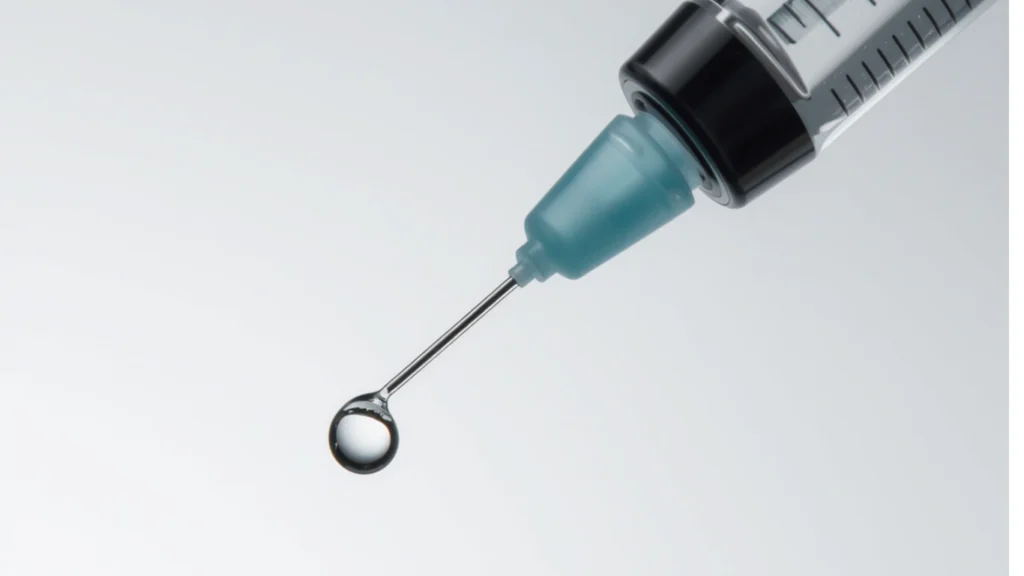
Vitamin D shots used for deficiency treatment to improve bone health and overall wellness
Orals Vs Intramuscular for Vitamin D deficiency
You can understand the difference from the study below
Prospective randomized open-label single institution study.
Basically conducts with two set of different people, as well this study also done to compare two ways of treating Vitamin D deficiency in healthy hospital workers. One group received Vitamin D tablets (60,000 IU once a week for 5 weeks) and another group received a single Vitamin D injection (300,000 IU).
In this study, 40 healthy adultswho had Vitamin D deficiency were divided into two groups.
The first group (20 people) took Vitamin D tablets (60,000 IU once a week for 5 weeks).
The second group (20 people) received a single Vitamin D injection (300,000 IU).
The researchers then measured their Vitamin D levels in the blood at three times.
Before starting treatment
After 6 weeks
After 12 weeks
The researchers compared Vitamin D levels and other blood test results at the start of the study and after treatment.
They used a statistical method called a general linear modelto analyze the changes and see if there were any significant differences over time.
At the start of the study, both groups had very low and similar Vitamin D levels.
Tablet group: about 6 ng/mL
Injection group: about 7.4 ng/mL (There was no significant difference between them.)
After 6 weeks
Both groups improved to around 20 ng/mL (This means both treatments worked well initially.)
After 12 weeks
Tablet group levels dropped slightly to about 16.6 ng/mL
Injection group levels increased further to about 25.5 ng/mL
Conclusion: at 12 weeks, the injection group had much higher Vitamin D levels compared to the tablet group, showing that the injection had a longer-lasting effect.
Understand about Intramuscular for Vitamin D Deficiency
If you want high doses of vitamin D, then you can use injections, which are given directly into your body through a muscle. This allows it to enter the bloodstream directly and does not depend on digestion, so the body can absorb it more quickly and effectively.
Commonly, these injections are used for people with severe Vitamin D deficiency and for those who have problems absorbing nutrients due to conditions like celiac disease, Crohn’s disease, or after weight loss like Obesity treatment I.E bariatric) surgery.
When Vitamin D levels need to be increased quickly, doctors recommend this method because it directly enters the bloodstream, allowing the body to absorb it faster. This is the biggest advantage of intramuscular injections.
However, these are not suitable for everyone. For example, pregnant women and those who are planning pregnancy should only take them if necessary and under a doctor’s guidance.
Note: overuse of vitamin D injections can cause vitamin D toxicity,
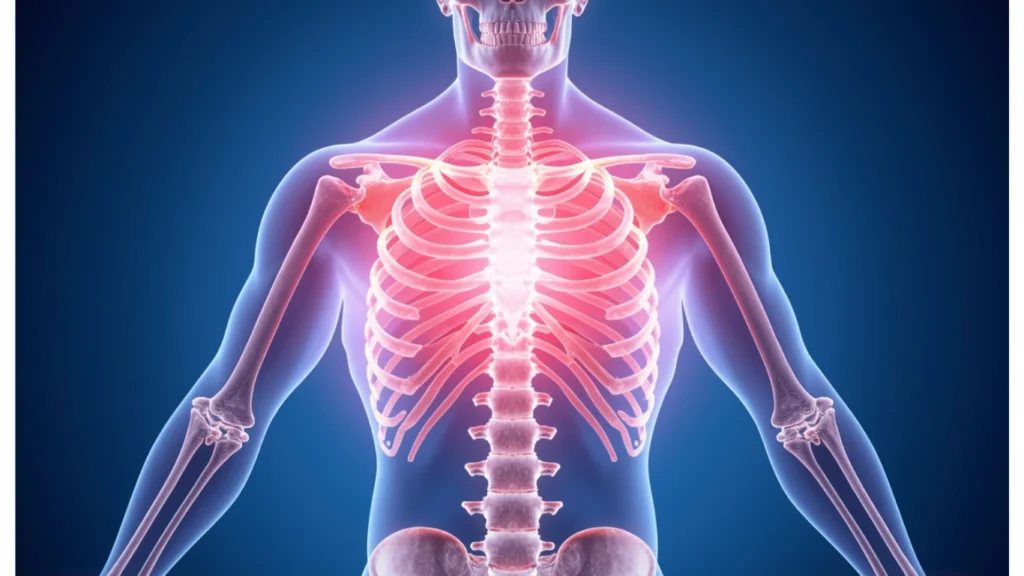
Vitamin D deficiency can weaken bones and affec
When doctors suggest vitamin D shots for deficiency treatment
In these conditions, doctors may suggest vitamin D shots.
If you are taking tablets but your levels are not improving, doctors may suggest injections.
If you have stomach or gut problems like celiac disease or Crohn’s disease, your body may not absorb tablets properly, so doctors may suggest injections.
If you are suffering from liver or kidney disease or nutrient absorption problems, doctors may suggest injections.
Some people are naturally at higher risk of Vitamin D deficiency, such as older adults, people with darker skin, people who stay indoors most of the time, and those who wear clothing that covers most of the body. In these conditions, doctors may prescribe injections.
Note: After checking the blood tests and symptoms only, doctors may recommend injections.
Benefits of Vitamin D Shots
Vitamin D is very important for your body. It mainly helps your body absorb calcium and phosphorus, which are required for strong bones and teeth. Vitamin D shots may also help prevent weak bones, fractures, and problems like osteoporosis.
Sunlight helps the body naturally produce vitamin D and prevent deficiency
4 Early Signs of Vitamin D Deficiency
In adults, vitamin D deficiency is not easy to notice. You may find the early symptoms of vitamin D deficiency below.
Fatigue.
Bone pain.
Muscle weakness, muscle aches or muscle cramps.
Mood changes, like depression.
Severe lack of vitamin D in children causes rickets. But it is very rare in children. Children with mild vitamin deficiency may just have weak, sore or painful muscles.
Preventing Tips for Vitamin D Deficiency
The best way to prevent vitamin D deficiency is to get enough vitamin D from food and sunlight. Sunlight is very important because it helps your body naturally produce vitamin D. But, do not stay in the sun for too long, as excessive sun exposure can increase the risk of skin cancer.
The amount of vitamin D needed each day depends on your age. You can check the details in the list.
Age/ Life stage
Amount of Vitamin D
Infants up to 12 months old
10 mcg (400 IU)
People 1 to 70 years old
15 mcg (600 IU)
Adults 71 years and older
20 mcg (800 IU)
Pregnant and breastfeeding women
15 mcg (600 IU)
There are a few foods that naturally have some vitamin D. Including
Fatty fish such as salmon, tuna and mackerel and sardines.
Rainbow trout.
Beef (cow) liver.
Mushrooms.
Egg yolks.
Cod liver oil.
Eggs are a good source of vitamin D and help prevent vitamin D deficiency naturally
FAQs
Are there any complications of vitamin D deficiency?
Vitamin D deficiency mainly affects your bones and muscles, but it can also weaken your immunity and impact your overall health.
Are Vitamin D shots for deficiency treatment really necessary?
Not always need vitamin D shots for deficiency treatment , but vitamin D shots may be needed in the following conditions,
Severe vitamin D deficiency
When tablets are not working
Poor absorption due to stomach or intestinal problems
Conditions like kidney or liver disease
When a quick increase in vitamin D levels is required
What are the symptoms of rickets?
These are the symptoms you may find in children with rickets.
Weak or soft bones
Bone pain (especially in legs, pelvis, and spine)
Delayed growth (child may be shorter than expected)
Bowed legs or knock knees
Thickened wrists and ankles
Muscle weakness
Difficulty walking or delayed walking
References
Cleveland clinic – Vitamin D deficiency symptoms and Preventing Tips
Pub med Central – Orals Vs Intramuscular for Vitamin D deficiency
The Health Suite – About intramuscular for Vitamin D Deficiency and Benefits of Vitamin D shots for deficiency treatment
Conclusion
you may use Vitamin D shots for deficiency treatment in specific conditions such as severe vitamin D deficiency, when tablets are not working, poor absorption due to stomach or intestinal problems, conditions like kidney or liver diseases, and when a quick increase in vitamin D levels is required.
Vitamin D shots are better than oral supplements in the above conditions and have good benefits. Both are explained very clearly in this article.
You can prevent this condition by taking vitamin D through foods such as fatty fish, rainbow trout, beef (cow) liver, mushrooms, egg yolks, and cod liver oil. You can also get natural vitamin D from sunlight.
Disclaimer
The information about Vitamin D shots for deficiency treatment in this article is for educational and informational purposes only and is based on evidence from medical research sources. It should not replace professional medical advice. If you experience symptoms of Vitamin D deficiency, consult a qualified healthcare professional for proper diagnosis and treatment.